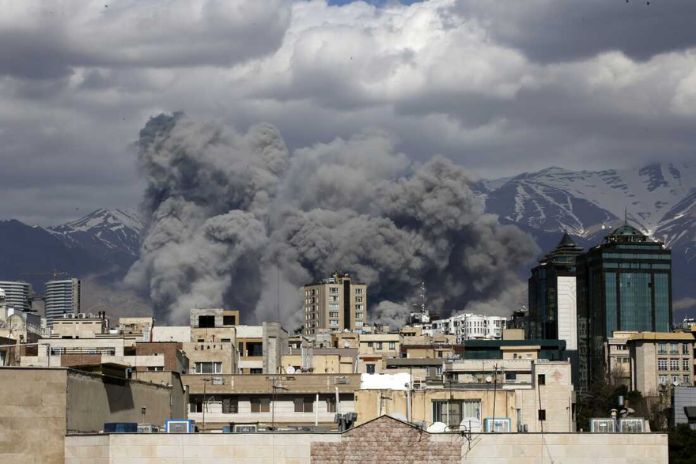
Israel has formally acknowledged that its military has dropped more than 15,000 munitions on Iranian territory since the start of the US–Israel war on February 28, 2026. Defence Minister Israel Katz described the campaign as crossing the “15,000‑munitions threshold,” making it one of the largest aerial bombardments in the region this century. The statement comes amid a broadening series of strikes on both Iranian and Lebanon‑based targets, as the conflict enters a new, more intense phase.
Scale of the Bombing Campaign
In a joint briefing with Israeli Army Chief of Staff Lt‑Gen. Eyal Zamir, Defence Minister Katz said that the volume of bombs used in just over three weeks has already surpassed the munitions unleashed in the 12‑day hostilities against Iran in June 2025. Israeli officials claim the current campaign is more than four times as intense in terms of munitions deployed, even as the daily rate of strikes slowly begins to ease.
The 15,000‑munition figure includes guided bombs, missiles, and other ordnance used in precision strikes across Iran. Targets reportedly include Iranian military bases, missile production sites, air‑defense systems, and Revolutionary Guard (IRGC) facilities. Israel has framed the campaign as a defensive necessity aimed at crippling Iran’s ability to launch long‑range missile and drone attacks on Israel and its allies.
Intensification of the US–Israel War
The US–Israel war on Iran was officially launched on February 28, 2026, under the US‑led operation code‑named “Epic Fury.” The first day of the campaign alone saw hundreds of coordinated air and missile strikes on Iranian leadership compounds, missile batteries, and air‑defense batteries. Washington and Tel Aviv have described the operation as a “decapitation and degradation” strategy against Iran’s offensive capabilities.
Israel’s claim of 15,000 bombs highlights how rapidly the scope of the war has expanded. What began as a targeted, short‑term campaign has evolved into a prolonged aerial bombardment, with Israel and the US conducting repeated waves of strikes on Iranian territory as well as allied positions in places like Lebanon. Iranian officials have reported extensive damage to infrastructure, including military installations and industrial sites, though the exact human toll remains disputed.
New Targets and Regional Spillover
In the same briefing, Katz and Zamir confirmed that Israel has approved a new series of targets for strikes inside Iran and Lebanon. This suggests that the conflict is not only continuing but possibly widening. Israeli leaders have made it clear that they intend to maintain pressure on Iran’s military infrastructure and its regional proxies, especially Hezbollah in Lebanon.
The escalation has already triggered retaliation from Iran and allied groups. Iranian missile and drone salvos have targeted Israeli cities and bases, while Iranian‑backed militias have launched attacks across the region. The tit‑for‑tat cycle of strikes has raised fears of a broader regional war involving multiple countries and global powers.
Impact on Civilians and Regional Stability
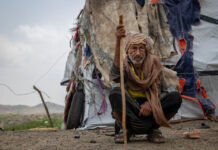
While Israel focuses on military targets, the sheer scale of bombing—over 15,000 munitions in a few weeks—has inevitably affected civilian areas near key installations. Reports from Iranian cities and border regions speak of damaged housing, power outages, and displacement of local populations. The humanitarian toll is growing, even as both sides downplay civilian casualties.
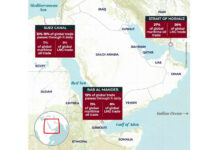
Neighbouring states such as Iraq, Syria, Jordan, and Gulf countries are also feeling the strain. Some have condemned the strikes, while others have quietly backed either Israel or Iran, exposing sharp divisions across the Middle East. The conflict has disrupted shipping in the Strait of Hormuz, jolted global energy markets, and forced countries worldwide to reassess their stance on Iran’s regional role.
What Comes Next?
For now, Israel signals no immediate end to its bombing campaign. Officials have repeatedly stated that the Iran operation has “no time limit,” indicating that more strikes could follow unless Iran agrees to specific security and diplomatic conditions. At the same time, diplomatic channels remain fragile, with some powers calling for de‑escalation while others quietly prepare for a longer conflict.
The claim that Israel has dropped more than 15,000 bombs on Iran underlines how dramatically the war has escalated in a short time. As both sides double down on force, the risk of further regional chaos—and greater human cost—continues to rise.