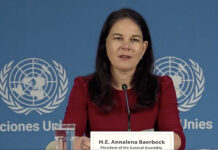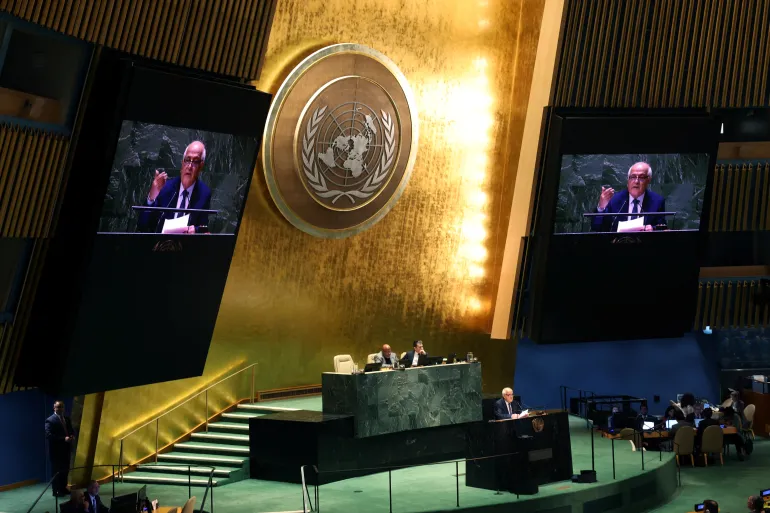
In a significant move, the United Nations General Assembly has overwhelmingly called for an immediate ceasefire in Gaza, amid ongoing violence and humanitarian concerns. The resolution, passed with substantial support, reflects growing international pressure to halt hostilities in the region.
Ceasefire and Humanitarian Relief
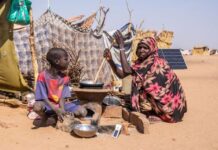
The resolution urges all parties involved to implement a full ceasefire without delay, emphasizing the importance of protecting civilian lives and ensuring access to humanitarian aid. This comes as Gaza faces mounting challenges, including widespread destruction and severe shortages of essential resources.
Support for UNRWA
The Assembly also reaffirmed its backing for the United Nations Relief and Works Agency for Palestine Refugees in the Near East (UNRWA). The agency, which has been pivotal in providing food, healthcare, and education to Palestinian refugees, has faced funding shortages and operational difficulties due to the ongoing conflict.
Widespread International Support
The resolution garnered broad support from member states, signaling a unified call for peace and stability. Several countries underscored the urgent need for dialogue and diplomatic solutions to address the root causes of the conflict.
However, the measure also faced opposition from a few nations, citing concerns over its implications for security and regional stability. Critics argued that the resolution did not adequately address certain complexities of the conflict, though proponents insisted on the necessity of immediate action.
A Step Toward Peace?
While the resolution is non-binding, it carries significant symbolic weight and reflects the international community’s stance on the crisis. The focus now shifts to whether the calls for a ceasefire will translate into actionable measures on the ground, and how support for UNRWA will be mobilized to alleviate the humanitarian crisis.
As Gaza remains at the epicenter of global attention, the UN’s latest move underscores the urgency of addressing the conflict and its devastating impacts on civilians.
(with agency inputs)