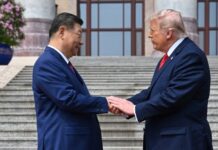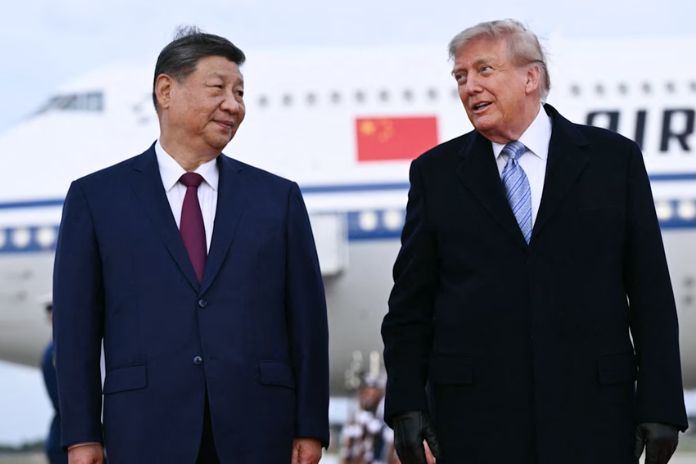
Chinese President Xi Jinping’s visit to the United States was marked by diplomatic warmth, elaborate ceremonies and repeated calls for stable relations. However, behind the friendly public messaging, Washington and Beijing remained divided on several major issues, including trade, Taiwan, artificial intelligence and the Iran conflict.
The visit helped keep communication open between the world’s two largest economies, but it did not result in a major breakthrough.
1. Trade truce gets more time
The most concrete outcome was the extension of the US-China trade truce. The agreement, which was due to expire in November, was extended until January, giving both sides additional time to negotiate economic issues.
The extension may prevent an immediate escalation in tariffs and provide temporary relief to businesses. However, it is not a permanent trade agreement. Disputes over tariffs, rare earth minerals, market access and supply chains remain unresolved.
2. Warm words, cautious diplomacy
US President Donald Trump described his relationship with Xi as a strong friendship based on mutual respect. Xi, meanwhile, called for greater cooperation and urged both countries to avoid a confrontation between major powers.
The public tone suggested that both leaders wanted to reduce tensions. Yet the absence of major agreements showed that diplomatic goodwill has not removed the deeper strategic rivalry.
3. Taiwan remains a major disagreement
Taiwan continued to be one of the most sensitive issues in US-China relations. Xi urged Washington to oppose Taiwanese independence and respect Beijing’s position on the island.
The United States maintains close unofficial ties with Taiwan, while China considers the island part of its territory. No new understanding on Taiwan was announced during the visit.
4. AI rivalry continues
Artificial intelligence emerged as another key area of competition. Both countries are seeking leadership in advanced technology, while also debating safety standards and restrictions on sensitive technologies.
Xi said AI should remain under human control and serve public welfare. However, disagreements over advanced chips, technology controls and national security concerns continued.
5. No breakthrough on Iran
The two leaders also discussed the conflict involving Iran. Washington expected Beijing to use its influence in the region, but the talks did not produce a major breakthrough on the conflict or related security concerns.
What did Trump gain?
Trump secured temporary trade stability and an opportunity to present himself as a strong global negotiator. But he did not obtain clear concessions from Xi on Taiwan, Iran or technology.
Overall, Xi’s visit strengthened dialogue but exposed the limits of personal diplomacy. The summit reduced the risk of an immediate US-China escalation, while leaving the biggest disputes for future negotiations.