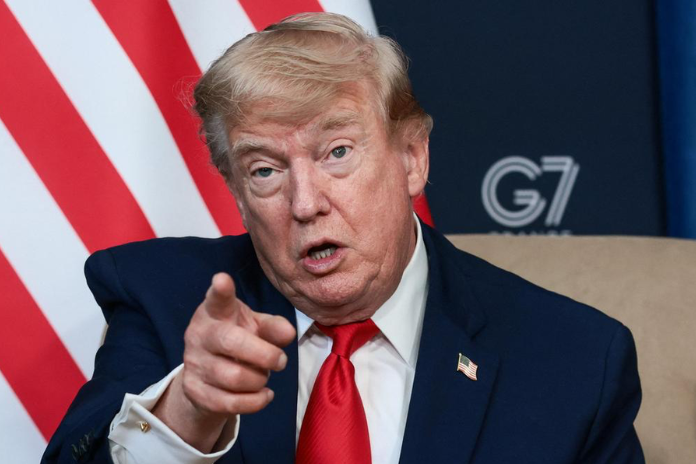
The US House of Representatives has moved a step closer to passing a sweeping Russia sanctions law that could allow President Donald Trump to impose tariffs of up to 100% on countries buying Russian oil and gas, including India.
The legislation, called the Lindsey O. Graham Sanctioning Russia and Iran Act of 2026, cleared a key procedural vote in the House by a narrow 214–211 margin on September 15, setting up a final vote expected on Wednesday. The bill has already passed the Senate and now heads for a decisive House vote before it can be sent to the president.
What the Bill proposes
At its core, the Bill tightens sanctions on Russia and Iran and targets entities helping Moscow evade restrictions. Its most talked-about provision is Section 113, which would authorise the US president to levy secondary tariffs of up to 100% on goods from major purchasers of Russian crude oil and natural gas.
The idea is simple: if countries keep buying large volumes of Russian energy, the US can make their exports to America far more expensive, thereby pressuring them to cut purchases that fund Russia’s war in Ukraine.
Is India specifically named?
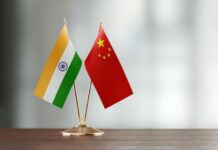
A proposed amendment by Democratic Congressman Steny Hoyer sought to explicitly list 10 countries as eligible for these steep tariffs: China, India, Türkiye, Azerbaijan, Hungary, the Slovak Republic, the UAE, Singapore, Kazakhstan and the Kyrgyz Republic.
However, reports indicate that the House rejected this amendment during rule-setting, meaning the final text is expected to follow the Senate version: instead of naming countries, it will target the top five largest importers of Russian oil and gas based on trade data. Under that approach, India and China could still fall into the “top five” bracket, but no country is hard-coded into the law.
Are 100% tariffs guaranteed?
No. The Bill does not automatically impose 100% tariffs on India or any other country. It creates a legal mechanism that would:
- Allow the president to decide whether a country qualifies as a major buyer of Russian energy.
- Give the president the power to set tariff levels up to 100% on selected goods.
- Also allow the president to waive or remove those tariffs under certain conditions.
In short, the risk to India depends on whether the Bill becomes law, how the administration interprets the “top five” rule, and whether it chooses to use this authority.
Why this matters for India
India has significantly increased imports of discounted Russian crude since the Ukraine war began, making Moscow one of its top oil suppliers. If the US invokes the tariff power:
- Indian exports to the US could face much higher duties, raising costs for exporters and potentially affecting sectors like textiles, engineering goods, and pharmaceuticals.
- New Delhi may come under diplomatic pressure to trim Russian oil purchases or seek waivers.
- Markets and businesses will watch for signals from Washington on how strictly the “top five” rule will be applied.
What happens next?
After the final House vote, any differences with the Senate text must be resolved before the Bill is formally passed and sent to President Trump, who has publicly supported punishing countries that trade with Russia. If enacted, the tariff powers would not kick in immediately; the administration would need to issue determinations and implement rules.
For now, the headline takeaway is clear: India faces a real, though not certain, risk of steep US tariffs if it remains among the top buyers of Russian energy and the new law is used aggressively.