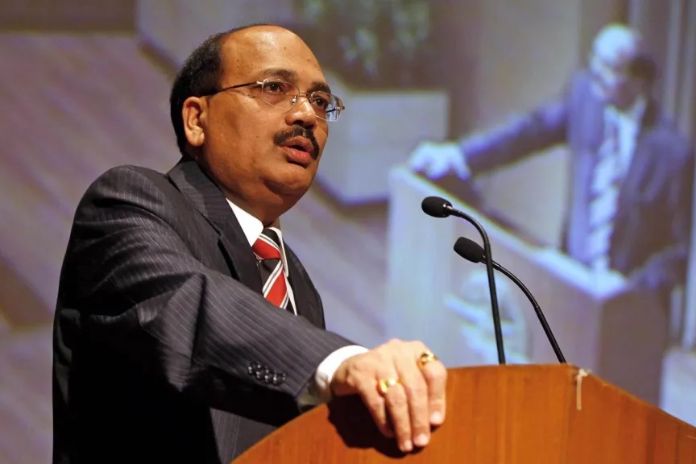
Chief Justice of India (CJI) Surya Kant has made it clear that artificial intelligence (AI) should support, not substitute, human decision-making in India’s judicial system. Speaking at an event organized by the Supreme Court Advocates-on-Record Association (SCAORA) on the “Future of Justice Delivery,” the CJI outlined a balanced approach to integrating technology into the courts.
Technology Strengthens, Not Replaces, Human Values
CJI Kant emphasized that technology and human values are not opposing forces. When used responsibly, he said, technology actually strengthens the principles that uphold justice. The key message: AI can make courts more efficient and accessible, but it must never override the human conscience that lies at the heart of judicial decision-making.
“Artificial intelligence may augment judicial intelligence without replacing the judicial conscience,” the CJI stated, drawing a clear line between AI as a tool and judges as decision-makers.
The Greater the AI Capability, the Greater the Responsibility
One of the most important takeaways from the address was CJI Kant’s warning about accountability. “The greater the capabilities of AI, the greater is our responsibility to ensure that its use remains transparent, accountable, and firmly subject to human oversight,” he said.
This statement reflects growing concerns worldwide about how AI systems are deployed in sensitive areas like law and justice. The CJI’s position is that while AI can process vast amounts of legal data quickly, it cannot exercise empathy, evaluate witness credibility, or deliver constitutional justice—tasks that require distinctly human judgment.
Supreme Court’s Draft AI Regulations
The Supreme Court has been developing a regulatory framework for AI use in the judiciary, with draft regulations recently opened for public feedback. These proposed rules are built on several core principles:
- Human oversight in all AI-assisted processes
- Fairness and transparency in AI operations
- Accountability through regular audits
- Strong protection of personal data
The framework recognizes that AI can help with translation, transcription, information management, and administrative work—but draws a firm boundary at tasks requiring nuanced human judgment.
How Technology Has Democratized Legal Practice
Beyond AI, CJI Kant highlighted how digital tools have leveled the playing field for lawyers across India. Advocates in smaller towns now have access to digital libraries, electronic databases, and research tools that were once available only in major cities.
He recalled his early days at the Bar, when lawyers had to check physical cause lists pasted outside courtrooms. Today, the same information is available instantly on mobile phones. The e-Courts project has evolved into an integrated digital ecosystem featuring e-filing, video hearings, and online access to court records.
Key AI Initiatives in Indian Courts
Several AI-powered projects are already transforming the judiciary:
- SUVAS: Translates Supreme Court judgments into 16 regional languages, with plans to cover all recognized languages soon
- SuSahay: A conversational platform that provides information on court procedures and case status
- One Case One Data: Creates a standardized digital record for every case, reducing duplication as cases move through different court levels
Technology as a Means, Not an End
CJI Kant stressed that over the past two decades, the judiciary’s goal has not been to make courts more technological for technology’s sake. Instead, the focus has been on making courts more accessible, transparent, and responsive to everyone who interacts with the justice system.
“Technology, in our understanding, is not an end in itself; it is an instrument that enables courts to fulfil their constitutional responsibility more effectively,” he said.
The Bottom Line
The CJI’s message is clear: AI in the Indian judiciary should be an assistant, not an arbiter. As courts continue to adopt digital tools, the emphasis must remain on human oversight, transparency, and accountability. The true measure of technological progress, he concluded, is not how sophisticated the software is, but how much it makes justice more accessible, affordable, and understandable for ordinary citizens.