A strong earthquake shook southern Japan on 28 July 2026, with Kumamoto Prefecture on Kyushu island reporting the hardest impact. The quake, measured at 7.1 magnitude, triggered a tsunami warning and sent residents rushing to safety.
According to initial reports, the tremor struck in the afternoon local time and was felt across a wide area of southern Japan. Authorities quickly issued alerts as a precaution, warning people living near the coast to stay away from the sea and follow official instructions.
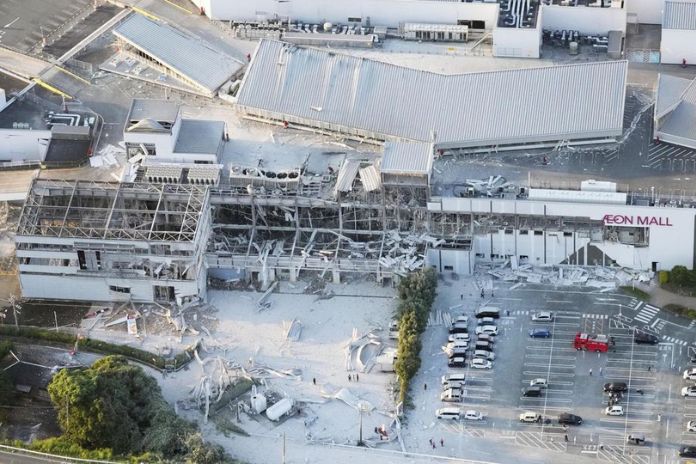
The earthquake caused immediate disruption in several parts of the region. Reports said power outages affected thousands of homes, while roads and transport services were also impacted. Some buildings sustained damage, and emergency teams moved in to assess the situation and support those affected.
Several people were reported injured, although the full extent of the damage was still being confirmed. In some areas, strong shaking led to panic and temporary shutdowns of local services. Officials urged people to remain alert for possible aftershocks, which are common after a major earthquake.
Japan is one of the world’s most earthquake-prone countries, and its emergency systems are designed to respond quickly to such events. This time too, local authorities moved fast to issue warnings and guide residents through safety steps. People were advised to stay calm, check on family members, and follow updates from official disaster agencies.
The quake also raised concerns about possible tsunami activity. While the warning was issued as a precaution, the situation remained under close watch by meteorological and disaster management authorities. Coastal residents were told to monitor alerts and avoid low-lying areas until the warning was lifted.
This latest quake is another reminder of Japan’s vulnerability to seismic activity. The country sits on several active tectonic plates, making earthquakes a regular risk. Strong building standards and disaster preparedness have helped reduce casualties in many past events, but major quakes still bring the risk of injury, damage, and widespread disruption.
For now, rescue and safety operations continue in the affected region. Officials are expected to provide more updates on casualties, infrastructure damage, and whether the tsunami warning can be lifted safely.