India’s wholesale inflation accelerated to 9.68% in May 2026, marking a significant increase from April’s 8.26% and representing the highest wholesale price rise in more than a year. The surge was driven by steep increases in fuel prices, food costs, and manufactured goods under the government’s newly revised Wholesale Price Index (WPI) series.
The Commerce and Industry Ministry released this data, which marks the first official reading under the revised WPI series with 2022-23 as the base year, replacing the previous 2011-12 base. This revision reflects updated market conditions and consumption patterns across the economy.
Fuel Prices Top 30%, Leading the Inflation Surge
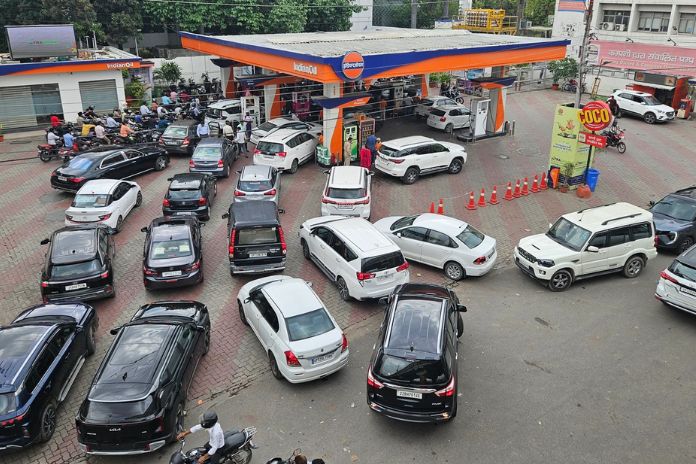
The primary driver of wholesale inflation was the dramatic spike in fuel and power prices, which surged over 30% in May. This Sharp increase in fuel costs directly impacted transportation, manufacturing, and energy-intensive industries, pushing wholesale prices across multiple sectors higher.
The fuel inflation surge reflects global energy price volatility and its transmission to domestic wholesale markets. Energy costs form a critical input for most industries, making this spike particularly impactful across the economy.
Food and Manufactured Goods Also See Price Increases
Beyond fuel, rising food costs contributed significantly to the wholesale inflation spike. Fresh vegetables, fruits, pulses, and other food items experienced price increases at the wholesale level, though retail food inflation remains more moderate.
The manufacturing sector also faced higher input costs, with producer prices for manufactured goods climbing due to increased energy expenses and supply chain pressures. The manufacturing input Producer Price Index for May remained elevated at 104.9, unchanged from the previous month but signaling sustained cost pressures.
New WPI Series Expands Item Coverage
The revised WPI series represents a major methodological update. The new index now covers 957 items compared to the previous series’ 697 items, providing broader and more accurate representation of wholesale market dynamics. This expansion includes updated categories reflecting modern economic activity and consumption patterns.
The government is also developing new Producer Price Indices (PPI) covering output, input, and services sectors (manufacturing plus select services), which will provide additional insights into price dynamics across the economy.
Market Expectations Missed, But Retail Inflation Remains Moderate
The 9.68% wholesale inflation figure exceeded market analysts’ expectations of 9.1%, indicating stronger price pressures than anticipated. However, despite the sharp wholesale inflation spike, retail inflation has remained moderate, suggesting that wholesale price increases have not fully transmitted to consumer prices yet.
This divergence between wholesale and retail inflation is notable. Retail inflation typically lags wholesale trends, and consumers may not immediately experience the full impact of wholesale price increases due to various market buffers and competitive pressures.
Implications for Economy and Policy
The sustained wholesale inflation above 9% raises concerns about potential downstream effects on consumer prices, business costs, and economic growth. The fuel price surge particularly worries policymakers, as energy costs affect virtually all economic sectors.
The Commerce Ministry’s release of data under the new base year provides more accurate real-time economic insights but also means historical comparisons require adjustment. Analysts and policymakers must now reference the 2022-23 base for all future WPI comparisons.
What This Means for Businesses and Consumers
For businesses, particularly those in manufacturing, transportation, and energy-intensive sectors, the 30% fuel price surge translates to higher operational costs that may need passing to consumers. Food processors and retailers face rising wholesale food costs that could impact margins or pricing.
Consumers may see gradual impacts as wholesale inflation eventually filters through to retail prices, though the current moderate retail inflation suggests some buffer remains. Energy-dependent services and transportation costs could rise more quickly.
Looking Ahead
With wholesale inflation at 9.68% and fuel prices surging over 30%, economists will closely monitor whether this trend continues in June data. The new WPI series will provide more accurate tracking, but the underlying pressure from fuel, food, and manufacturing costs suggests inflation concerns remain elevated for India’s economy in mid-2026.
The government’s decision to revise the base year demonstrates commitment to modernizing economic measurement, though it requires stakeholders to adjust their analytical frameworks for the new 2022-23 baseline.