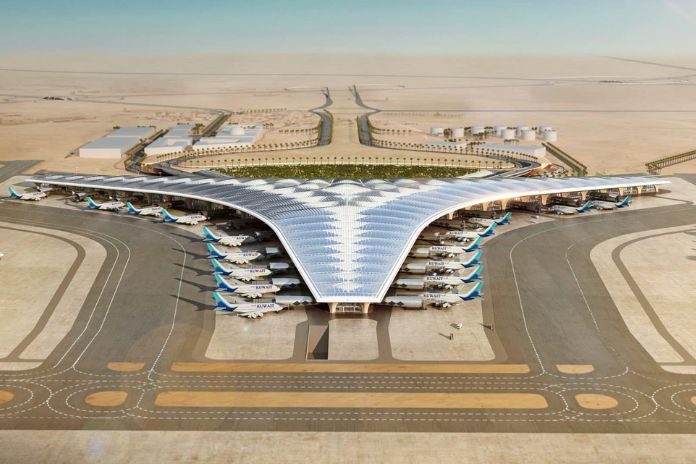
Kuwait International Airport came under attack early Wednesday morning as Iranian drones and missiles struck the passenger terminal, injuring several people and triggering the suspension of all commercial flights in the Gulf nation.
The attack, which occurred in the early hours of June 3, 2026, caused significant damage to Terminal 1 of Kuwait’s main international airport. Kuwait’s Ministry of Defense confirmed that multiple aggressive drones targeted the passenger terminal, leaving a number of workers and travelers with injuries.
Flight Disruptions and Emergency Response
Following the strike, Kuwait’s Civil Aviation Authority immediately activated the airport’s emergency response plan. All commercial flights were suspended “until further notice,” with incoming aircraft being diverted to alternative airports in the region.
The airport had only recently resumed operations on June 1 after being closed due to ongoing conflict between Iran and Gulf states. This latest attack marks a significant escalation in regional tensions and raises serious concerns about aviation security across the Persian Gulf.
Attack Details and Damage
According to Kuwaiti officials, the passenger terminal suffered substantial structural damage from the drone and missile strike. The Civil Aviation Authority reported that the attack left “significant material damage” to the facility.
Emergency services responded quickly to the scene, treating injured personnel and securing the affected areas. While the exact number of casualties has not been officially confirmed, Kuwait’s Ministry of Defense stated that “a number of people were wounded” in the attack.
Regional Context: Escalating Gulf Conflict
This attack on Kuwait comes amid heightened tensions in the Middle East. Just hours before the Kuwait airport strike, missile exchanges occurred between Iran and the United States in the region, marking a dangerous escalation in what started as a regional dispute in late February 2026.
Iran has previously targeted airports and fuel infrastructure in Gulf states during this conflict. Earlier strikes in March and February 2026 hit fuel storage tanks at Kuwait International Airport, causing large fires and temporary disruptions to aviation operations.
Kuwait, a small Gulf nation located between Iraq and Saudi Arabia, has tried to maintain neutrality in regional conflicts. However, this latest attack suggests that the country is increasingly being drawn into the broader Iran-led confrontation with Western-backed Gulf states and the United States.
International Response
The attack has drawn international concern over the safety of civilian aviation infrastructure in the Gulf. Aviation authorities worldwide are monitoring the situation closely, with many airlines already rerouting flights away from the region.
Neighboring Gulf Cooperation Council (GCC) countries have expressed solidarity with Kuwait, while calling for de-escalation of tensions. The timing of the attack—coinciding with renewed US-Iran missile exchanges—has raised fears of a wider regional war.
What Happens Next
Kuwait authorities have not provided a timeline for when the airport might reopen. The suspension of flights affects thousands of travelers and has significant economic implications for Kuwait’s connectivity with the world.
Aviation experts warn that even if the airport physically reopens, continued regional instability could keep airlines avoiding the region for weeks or months. The attack underscores the growing risks to commercial aviation in conflict zones.
The international community continues to call for diplomatic solutions to prevent further escalation. However, with missile strikes now hitting civilian infrastructure in neutral Gulf states, concerns are mounting that the conflict could spread beyond its current boundaries.