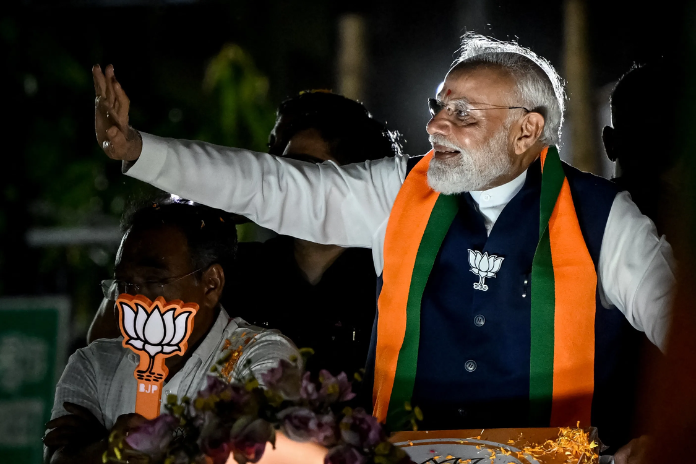
The 2026 Assembly Elections have reshaped India’s political map, most notably in West Bengal, where the Bharatiya Janata Party (BJP) secured a decisive landslide victory. Ending years of Trinamool Congress (TMC) dominance, the result marks a tectonic shift in the state’s political culture and sets a new precedent for governance in Eastern India.
Decoding the Mandate
The BJP’s success in West Bengal was not a sudden event but the culmination of a multi-year organizational overhaul. By focusing heavily on booth-level management and creating a robust social media narrative that resonated with younger voters, the party successfully penetrated deep into traditional TMC strongholds. The results indicate a consolidation of voters who felt alienated by the incumbent administration’s handling of local economic challenges and infrastructure development.
Factors Behind the Shift
Several strategic maneuvers proved pivotal in the BJP’s rise to power:
- Grassroots Integration: The party effectively transitioned from being an “urban-centric” force to one with deep rural roots, addressing local grievances regarding agriculture and rural employment.
- Anti-Incumbency Sentiment: Years of one-party rule led to significant voter fatigue, which the BJP capitalized on by positioning itself as the primary vehicle for “change and development.”
- Coalition and Alliance Strategy: By streamlining its alliance structure and avoiding internal discord, the BJP presented a unified front that appealed to a broader, diverse demographic across the state.
National Implications
This victory sends a strong signal to the national political establishment regarding the shifting tides in state-level elections. As the BJP solidifies its influence in West Bengal, the party gains significant momentum for its national agenda, proving that even the most entrenched political bastions are susceptible to systemic electoral shifts.
The mandate suggests that voters in 2026 were driven by aspirations for industrial growth and administrative reform rather than traditional political loyalties. As the dust settles on the 2026 polls, the focus now turns to how the new administration will balance these high public expectations with the complexities of governing a state with such distinct cultural and political nuances. The era of the BJP in West Bengal has officially begun, marking one of the most significant electoral transformations in recent Indian history.