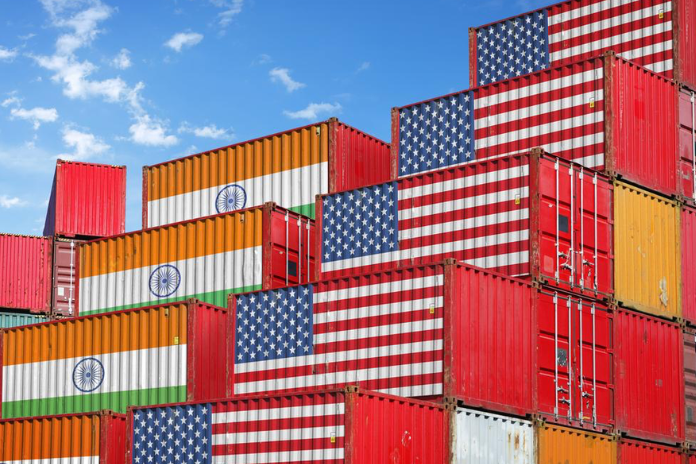
India and the United States have concluded a series of productive in-person trade discussions in Washington, D.C., from April 20 to 23, 2026. This marked the first face-to-face meeting between the two nations’ negotiators since October 2025. Both sides hailed the talks as “constructive,” focusing on critical issues like market access, non-tariff barriers, customs procedures, investment opportunities, economic security, and digital trade rules.
Progress Without a Timeline
While the four-day session advanced dialogue, no specific deadline for finalizing a deal emerged. Indian and American officials agreed to “stay engaged” and build momentum through future virtual and in-person rounds. India’s chief negotiator, Darpan Jain, led the delegation, meeting their U.S. counterparts under Brendan Lynch. The emphasis was on creating a fair agreement that could boost bilateral trade to $500 billion by 2030.
This outcome reflects cautious optimism amid complex global trade dynamics. India seeks to protect its farmers and manufacturers from steep U.S. tariffs, while the U.S. pushes for easier access to India’s growing market. No major breakthroughs were publicized, but the mutual commitment signals steady progress.
Building on Recent Momentum
These talks stem from a February 2026 joint statement following a call between Prime Minister Narendra Modi and President Donald Trump. That conversation led to the U.S. lifting a 25% tariff on Indian imports, linked to India’s pause on Russian oil purchases. Virtual discussions had kept negotiations alive since the last in-person round, despite challenges like U.S. Supreme Court rulings on tariffs.
The April meetings addressed sticking points head-on. Topics included reducing customs delays, easing non-tariff hurdles for goods like electronics and pharmaceuticals, and aligning on digital trade standards. Both nations aim for a first-phase bilateral pact that strengthens supply chains and counters economic pressures from elsewhere.
Broader Implications
A successful India-US trade deal could reshape global commerce. For India, it means more export avenues for textiles, IT services, and auto parts, supporting jobs in key sectors. The U.S. gains from India’s demand for energy, machinery, and agricultural products. With President Trump’s reelection influencing policy, these talks align with his “America First” approach while fostering strategic ties against shared rivals.
Observers note the timing is pivotal. As of April 24, 2026, markets reacted mildly positive, with Indian exporters eyeing stability. However, unresolved issues like dairy market access and intellectual property norms linger, requiring further concessions.
What’s Next?
Expect more technical-level exchanges soon. India has reiterated its goal of a “win-win” pact, avoiding lopsided terms. The U.S. side welcomes the progress, pledging flexibility where possible. While no firm dates are set, the constructive tone bodes well for wrapping up phase one later this year.
This development underscores deepening India-US economic bonds, beyond defense and tech pacts. For businesses and policymakers, it’s a step toward resilience in uncertain times.