India-flagged vessels carrying crude oil and LPG have started safely navigating out of the Strait of Hormuz, bringing much-needed relief to the country’s energy security amid escalating West Asia tensions. These ships, vital for India’s imports, faced weeks of uncertainty due to regional conflicts involving Iran, Israel, and US naval activities. As of April 17, 2026, diplomatic efforts and Iranian assurances have enabled smooth passages, with no recent incidents reported.
Breakthrough Transits Ease Energy Crunch
In recent days, multiple Indian vessels have crossed the strait using designated routes, primarily through Iranian waters. Key examples include LPG carriers BW TYR and BW ELM, loaded with 94,000 tonnes of LPG heading to ports like Mumbai, Mundra, and Kandla. Other successes feature ships such as Jag Vikram, Shivalik, and Nanda Devi, which transited after intensive phone diplomacy between Indian authorities and regional powers.
Earlier in March and early April, 15-18 India-bound ships with LPG, LNG, and crude were stranded west of Hormuz due to blockades and war risks. At least 8-10 have now exited safely, carrying thousands of Indian seafarers—totaling 485 crew members—who remain unharmed, as confirmed by India’s Ministry of Ports, Shipping and Waterways.
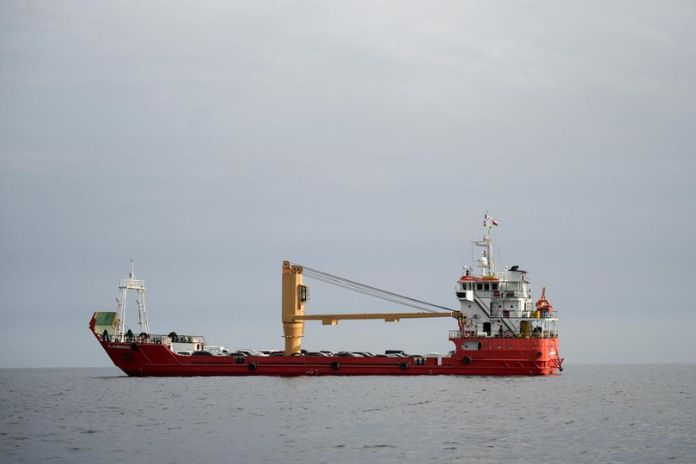
This image captures a bulk carrier at dock, typical of the India-flagged vessels now clearing the Hormuz chokepoint without disruption.
Strategic Importance for India’s Energy Needs
The Strait of Hormuz handles nearly 40% of India’s crude oil and 90% of its LPG imports, making it a lifeline for refineries and households. Disruptions since late March prompted a crude import shuffle, with India ramping up Russian oil purchases to offset Gulf shortfalls. A landmark Iranian crude tanker recently reached Gujarat, signaling flickering trade resumption.
Oil companies, exporters, and importers cheered the April 17 reopening, with Iran’s Foreign Minister affirming the strait is “completely open.” Indian Navy coordination ensured safe escorts, while new shipping lanes helped additional vessels, including three others alongside Indian ones, bypass hazards.
Ongoing Challenges and Road Ahead
Around 22-24 Indian-flagged ships lingered near the strait as of mid-April, but momentum is building. No attacks on Indian vessels occurred in the past 24 hours, a positive shift from earlier strandings. The crisis highlighted ship-flagging rules, spotlighting India’s fleet vulnerabilities in global chokepoints.
For India’s economy, these safe exits stabilize fuel prices and prevent deeper shortages. With President Trump’s administration monitoring West Asia, sustained diplomacy will be key to keeping Hormuz flowing for energy-hungry nations like India.