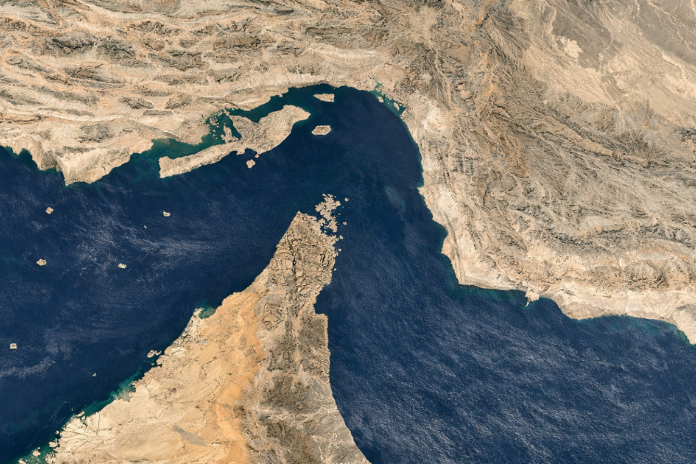
The United States has launched a naval blockade targeting ships entering or leaving Iranian ports in the Strait of Hormuz, effective today, April 13, 2026, at 10:00 a.m. ET (7:30 p.m. IST). This bold move by President Donald Trump follows the collapse of high-stakes peace talks in Pakistan, escalating the ongoing 2026 Strait of Hormuz crisis.
What Sparked the Blockade?
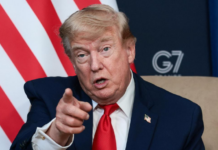
After 21 hours of negotiations led by Vice President JD Vance, U.S. and Iranian officials failed to reach a deal on Iran’s nuclear program and its partial closure of the strait since late February. Trump announced the action via social media, vowing to interdict any vessel paying “illegal tolls” to Iran and clear Iranian-laid mines. U.S. Central Command clarified the blockade focuses solely on Iranian-linked traffic, allowing free passage for other nations’ ships through this vital chokepoint, which carries 20% of global oil.
Iran had imposed restrictions, including mine deployment and vessel attacks, prompting U.S. mine-clearing operations. A short-lived ceasefire ended with no progress, as Iran rejected U.S. demands.
Key Announcement Highlights
- Timing and Scope: Starts today at 10 a.m. ET; targets Iranian ports in Arabian Gulf and Gulf of Oman.
- Trump’s Words: “We will seek and interdict every vessel that has paid a toll to Iran… Any Iranian who fires at us will be BLOWN TO HELL!”
- U.S. Stance: No impediment to general navigation; impartial enforcement.
This counters Iran’s partial Hormuz blockade, aiming to end disruptions without fully closing the strait.
Potential Global Fallout
The Strait of Hormuz blockade risks spiking oil prices and supply shortages worldwide. Analysts warn of economic shocks if tensions boil over, though U.S. officials stress limited scope to avoid broader conflict. Iran’s Revolutionary Guards issued a stark warning: U.S. vessels approaching will “face harsh action,” potentially breaching the ceasefire.
As of 8:44 a.m. IST, no enforcement confirmations, but markets watch closely amid the fragile standoff.
Broader Crisis Context
The 2026 crisis stems from Iran’s nuclear advances and regional clashes, including U.S.-Israel actions. Trump’s reelection has hardened U.S. policy, prioritizing strait security. Observers fear escalation, but some see it pressuring Iran toward talks.