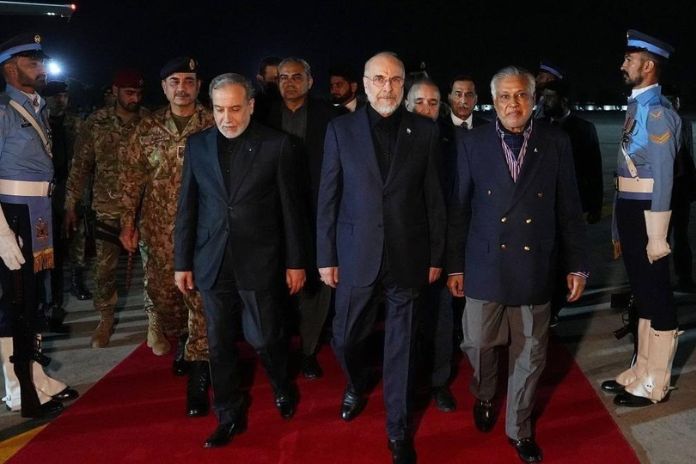
US Vice President JD Vance delivered a stern message to Iran: don’t “play us” as peace talks kick off in Islamabad, Pakistan. This comes amid a fragile two-week truce in the ongoing Israel-Iran conflict, now in its sixth week. Leading a US team with envoy Steve Witkoff and Jared Kushner, Vance stressed sincere negotiations or face consequences.
The talks, hosted by Pakistan, aim to end hostilities that have disrupted the Strait of Hormuz and spiked global oil prices. President Donald Trump backed the effort, urging Israel to ease Lebanon operations for diplomatic gains. Yet Iran remains skeptical, voicing “zero trust” in US negotiators due to past betrayals.
Vance’s Firm Stance
Before departing, Vance extended an “open hand” for good-faith dialogue. He warned against tactics amid Iran’s demands to halt Israeli strikes on Lebanon and release frozen assets. Key US asks include Iran surrendering nuclear materials and reopening the vital Hormuz shipping lane.
Vance leads where others faltered—Iran surprisingly prefers him over Witkoff or Kushner, citing his direct approach. Trump echoed this, pushing Iran to negotiate seriously. Failure risks escalation, with Hezbollah involved and separate Israel-Lebanon talks eyed for Washington.
Iran’s Deep Mistrust
Tehran points to historical US actions, like strikes during prior talks, as reasons for distrust. Iranian officials, via Tasnim news, insist on a Lebanon ceasefire first. Parliament Speaker Mohammad Bagher Ghalibaf called out breaches in Iran’s 10-point plan, which protects uranium enrichment rights.
Iran laid out preconditions: end Lebanon attacks, unfreeze assets, and respect its proposals. This “wall of mistrust” has grown thicker, but Vance’s involvement offers a slim chance. Pakistan’s mediation is a last-ditch push to avert wider war.
High Stakes at Play
These “make-or-break” discussions, live as of April 10, 2026, tangle nuclear curbs, ceasefires, and trade routes. Success could stabilize West Asia; failure might ignite fresh clashes. With oil markets jittery and global eyes on Islamabad, Vance’s warning sets a no-nonsense tone.
The conflict erupted six weeks ago, drawing in proxies like Hezbollah. A two-week truce holds tenuously, but disruptions persist. Trump’s administration bets on Vance to bridge the divide, testing if trust can emerge from decades of tension.
As talks unfold, the world watches. Will Iran drop preconditions? Can Vance deliver? Outcomes here shape not just Israel-Iran ties, but US credibility in the region.