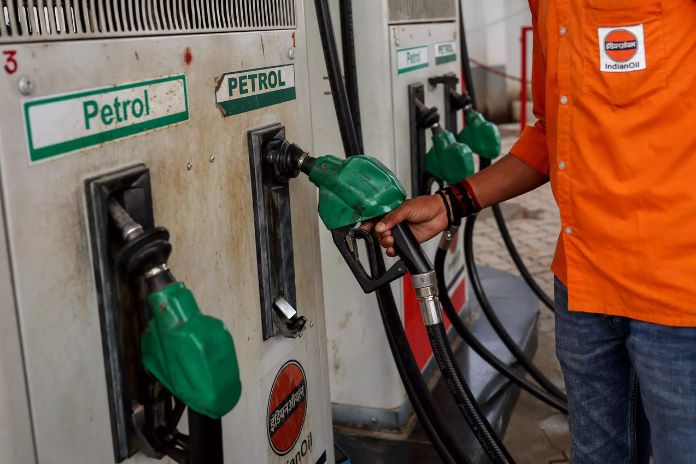
The Indian government has issued a clear message to the public: India has sufficient stock of petrol and diesel, and there is no immediate threat of a fuel crisis. This assurance comes at a time of heightened global tensions in oil‑producing regions, including the Middle East, which have raised concerns about potential disruptions in crude‑oil supplies.
Current Fuel Stock Levels
Officials say that India currently holds roughly 25 days’ worth of crude oil inventory under normal demand conditions. In addition, there are about 25 days of petrol and diesel stocksavailable with fuel retailers and distribution networks.
When strategic petroleum reserves are taken into account, the total cover extends to nearly eight weeks of crude and petroleum‑product stocks. This buffer, the government says, is enough to handle short‑term fluctuations in global supply or shipping disruptions.
No Plans for Rationing
The Ministry of Petroleum and Natural Gas has made it clear that there are no plans for petrol or diesel rationing and that supplies are flowing normally across the country.
Oil refineries are operating at high capacity, and fuel tankers are moving regularly to refill pumps in cities and towns. Authorities have also warned against panic buying or hoarding, saying that such behaviour can create artificial local shortages even when overall stocks are healthy.
Why the Government Gave This Assurance
The reassurance has been issued against the backdrop of rising tensions in oil‑rich regions, particularly around the Strait of Hormuz and other key shipping routes.
These tensions have led to worries that global oil prices could spike or that some supply routes might be temporarily blocked. To prevent public anxiety and misinformation, the government has publicly stated that India’s fuel supply chain is secure and that there is no crisis in petrol and diesel supply.
How India Is Managing Its Fuel Supply
India imports a large share of its crude oil from multiple countries, and the government says it has diversified its import sources to around 40 different nations. This reduces dependence on any single region and makes the supply chain more resilient to shocks.
In addition, the government has been building up strategic petroleum reserves at locations such as Visakhapatnam, Mangaluru, and Padur. These reserves can be tapped into during emergencies to keep refiners running and pumps filled.
What Consumers Should Keep In Mind
For ordinary consumers, the message is simple: there is no need to rush to fuel stations or worry about sudden shortages.
Prices at the pump may still fluctuate based on global crude‑oil prices and rupee‑dollar movements, but the physical availability of petrol and diesel is not at risk in the near term. The government has also asked state authorities and local administrations to monitor fuel distribution closely and report any irregularities or attempts to hoard stocks.
Broader Impact on the Economy
A stable fuel supply chain is crucial for India’s economy, as transportation, farming, and industry all depend on diesel and petrol.
By confirming that India has sufficient stock of petrol and diesel, the government aims to support business confidence and avoid unnecessary disruptions in logistics and trade. This also helps keep inflation in check, as fuel‑price spikes can quickly push up the cost of goods and services.
The bottom line is that, according to current government data, India has sufficient stock of petrol and diesel to meet normal demand for several weeks, even if global oil markets remain volatile. Consumers can continue using fuel as usual without fear of immediate shortages, while the government keeps an eye on international developments and domestic supply chains.