The United States has approved a temporary 30-day waiver for India to purchase Russian crude oil stuck at sea, easing supply pressures from escalating West Asian conflicts. Announced on March 5, 2026, by US Treasury Secretary Scott Bessent, this move addresses immediate shortages without long-term sanction relief for Russia.
Background on the Waiver
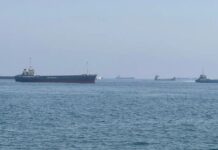
India faced a crunch as several million barrels of discounted Russian oil lingered near its shores, blocked by strict US penalties on Moscow’s energy exports post-Ukraine invasion. Refiners hesitated to unload due to fears of secondary sanctions, but the waiver greenlights these transactions for the next month. It acts as a “stopgap” to keep global oil flowing smoothly while prioritizing allied nations like India.
This isn’t India’s first such relief—previous waivers have helped it secure affordable Russian supplies, now meeting over 40% of its needs. The decision followed urgent requests from New Delhi, balancing energy stability with geopolitical pressures.
Trigger: Middle East Supply Disruptions
Tensions boiled over after a US-Israel airstrike on Iran on February 28, 2026, eliminating key figures including Supreme Leader Ali Khamenei. The fallout threatened the Strait of Hormuz, a vital artery for 40% of India’s oil from the region. Shipping routes faced delays and risks, stranding cargoes and spiking freight costs.
India, the world’s third-largest oil importer, maintains about 25 days of strategic reserves. Officials now track stockpiles daily, urging diversification to US, Latin American, and African sources. Russia stepped up, offering to fill gaps with its Urals-grade crude, already a lifeline amid volatile prices.
India’s Energy Strategy
New Delhi’s approach stays pragmatic: secure cheap energy for growth while hedging risks. Russian imports have halved global benchmark discounts, shielding consumers from price hikes. Yet, with domestic refining capacity expanding, India eyes long-term shifts away from sanctioned suppliers.
No official statements yet from India’s petroleum ministry or the Prime Minister’s Office. Analysts see this as a win for bilateral ties, with the US expecting ramped-up American oil buys afterward.
Global Ripple Effects
The waiver highlights cracks in the sanctions regime. While aimed at minimal Russian revenue gain, it signals flexibility amid wars disrupting 20% of world oil transit. Europe watches closely, as similar waivers could ease its own shortages.
For India, it buys time to navigate the chaos. Energy security remains paramount, blending diplomacy with market savvy in a multipolar world.