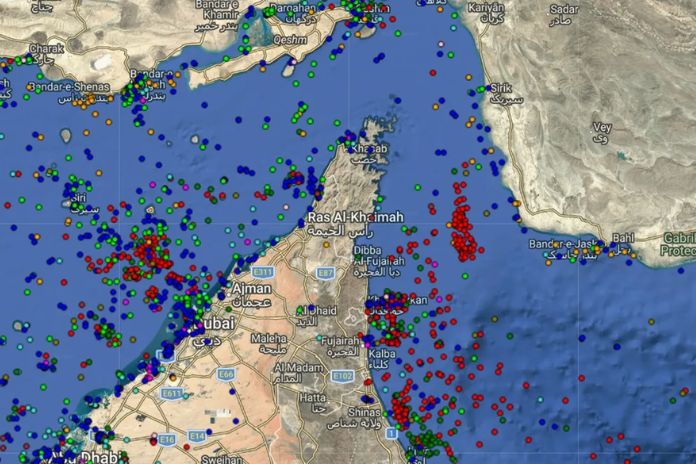
Amid rising tensions in the Middle East, the United States and United Kingdom are deploying naval and air assets to protect vital shipping routes. Iran’s Revolutionary Guard Corps (IRGC) has warned of closing the Strait of Hormuz, a key chokepoint for global oil trade, prompting swift responses from Western powers.
US Navy Ready to Escort Tankers
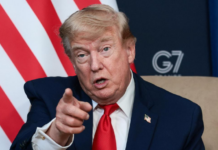
President Donald Trump has ordered the US Navy to escort tankers through the Strait of Hormuz if required. White House Press Secretary Karoline Leavitt confirmed the directive, stressing the need to safeguard energy supplies during the conflict.
The IRGC declared the strait closed for the war’s duration, vowing to target any passing ships. This escalates fears of disrupted oil flows, as the narrow waterway handles about 20% of the world’s crude.
To ease risks for shipping firms, Trump announced affordable political risk insurance from the US Development Finance Corporation (DFC). Coverage targets crude carriers and cargo vessels in the Gulf, mitigating war-related losses.
UK Deploys Anti-Drone Helicopters to Cyprus
UK Prime Minister Keir Starmer revealed Wildcat helicopters armed with anti-drone systems will reach Cyprus by Friday. The move follows an Iranian drone strike on RAF Akrotiri base, heightening threats to British assets.
Starmer noted the defence secretary is on Cyprus, coordinating with troops. The helicopters, fitted with Martlet missiles, aim to neutralize drone incursions effectively.
Complementing this, HMS Dragon destroyer heads to the eastern Mediterranean. Its advanced radar and missiles will bolster air defenses across the region.
Extra Typhoon Jets Head to Qatar
Starmer also greenlit four more Typhoon fighter jets for Qatar, joining existing UK squadrons. This strengthens Britain’s posture amid potential spillover from Iran-related clashes.
The jets pair with air defense systems rushed to Qatar in January and February. Starmer highlighted a “heightened state of readiness” for UK forces.
Aerial refueling tankers are aiding allied missions, responding to partner calls for support. These steps underscore London’s commitment to regional stability.
Broader Implications for Global Trade
These deployments signal coordinated Western efforts to deter Iranian aggression. The Strait of Hormuz closure threat could spike oil prices worldwide, hitting economies from Europe to Asia.
India, a major oil importer via the strait, watches closely. Disruptions might raise fuel costs and inflation, urging diversification of energy sources.
Both nations frame actions as defensive, prioritizing free navigation and ally protection. As the situation evolves, markets brace for volatility.