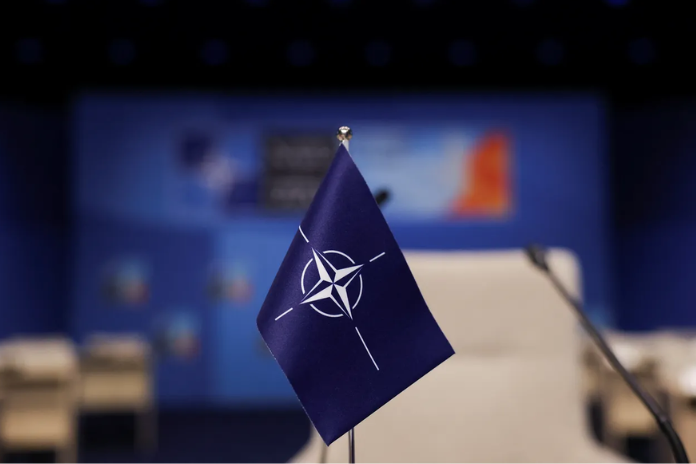
NATO’s air defense systems have neutralized a major threat, destroying an Iranian ballistic missile aimed at Turkey. This dramatic event unfolded on March 4, 2026, amid the intensifying US-Israel conflict with Iran.
What Happened
The missile launched from Iran traversed Iraqi and Syrian airspace before entering the eastern Mediterranean. NATO defenses swiftly intercepted and destroyed it before it could breach Turkish borders. Debris from the action landed in Turkey’s Hatay province, specifically Dörtyol district, but caused no injuries or major damage.
Turkey’s Defence Ministry quickly confirmed the intercept, highlighting the alliance’s vigilance. They affirmed full readiness to protect national sovereignty against any aggression.
Conflict Background
This marks the first known Iranian missile strike threatening a NATO member state. It follows a week of heightened tensions, with US and Israeli forces striking Iranian targets in Tehran after days of escalating exchanges. Iran appears to have retaliated broadly, with the missile possibly veering off course—speculation points to an intended target like a base in Greek Cyprus.
The incident underscores how Middle East hostilities are spilling over into new regions, raising alarms about unintended escalations involving major alliances.
Key Reactions
Turkey issued strong warnings to all sides, urging restraint to prevent further spread of violence. Foreign Minister Hakan Fidan directly called on Iran to avoid expanding the conflict.
NATO issued a firm condemnation of Iran’s actions against an ally, reaffirming its commitment to air and missile defense capabilities across member states. No immediate invocation of Article 4 consultations—NATO’s mechanism for threat discussions—has been announced by Ankara.
Implications for Region
Experts warn this could draw NATO deeper into the fray, complicating dynamics with Turkey’s balancing act between Western allies and regional powers. As President Trump’s administration ramps up involvement— with officials signaling more action ahead—the stakes grow.
For India, watching closely from afar, the event highlights vulnerabilities in global supply chains and energy routes through the Mediterranean and beyond. Stable alliances like NATO remain crucial for countering such rogue threats.