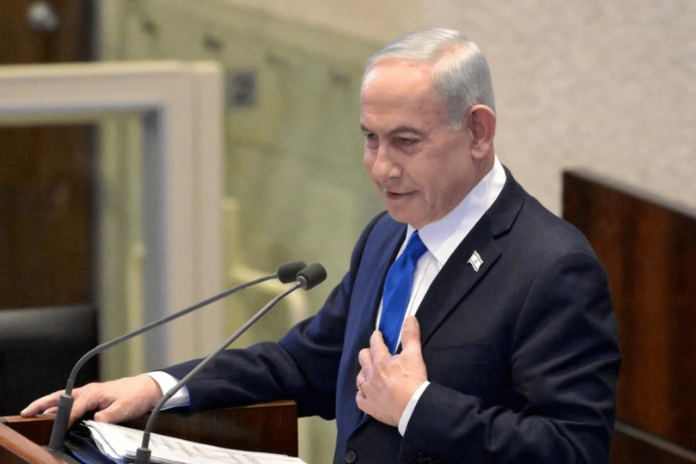
Israeli Prime Minister Benjamin Netanyahu has assured the world that recent US-Israel strikes on Iran, known as Operation Epic Fury, will not spiral into an “endless war.” In a candid Fox News interview, he described the action as quick and decisive, aimed at crippling Iran’s nuclear ambitions and missile capabilities. Netanyahu emphasized that Iran is at its weakest point since 1979, making this the ideal moment to act and prevent future threats.
Speaking amid heightened Middle East tensions, Netanyahu rejected accusations that the strikes are dragging US President Donald Trump into unnecessary conflict. Instead, he portrayed them as a “gateway to peace,” building on the Abraham Accords. These agreements have already normalized ties between Israel and several Arab nations. He hinted at potential peace deals with Saudi Arabia, suggesting regime change in Tehran could reshape the region for stability.
The strikes targeted underground nuclear sites and bunkers that Iran was racing to fortify. Netanyahu warned that without intervention, these facilities would soon become “immune” to attacks, putting Israel, the US, and allies at grave risk. “We acted because Iran was months away from protecting its bomb program,” he stated, underscoring the urgency of Operation Epic Fury.
UAE Steps Up to Aid Stranded Travelers
As the conflict disrupts air travel across the region, the United Arab Emirates (UAE) has begun limited flight operations to evacuate stranded passengers. On March 2, 2026—the third day of partial airport reopenings—the UAE’s General Civil Aviation Authority greenlit exceptional flights from Abu Dhabi and Dubai. Airlines like Etihad, Emirates, and Flydubai prioritized safety, operating select routes after days of closures due to missile threats and airspace restrictions.
Etihad alone flew at least 16 flights to key destinations, including Mumbai, Paris, and London. Passengers were urged to await airline notifications to prevent chaos at terminals. UAE authorities intercepted incoming missiles during this window, ensuring operations proceeded amid ongoing alerts. This relief comes as governments worldwide scramble to extract citizens from the conflict zone.
The moves highlight the UAE’s pivotal role in regional logistics. Dubai’s airport, a major global hub, had halted most flights earlier, stranding thousands. Resuming services marks a cautious return to normalcy, though full schedules remain suspended.
Broader Implications for Peace and Security
Netanyahu’s comments signal Israel’s confidence in a contained operation. By weakening Iran’s military edge, the strikes could deter further aggression from Tehran-backed proxies. Analysts note this aligns with Trump’s administration priorities, focusing on decisive action over prolonged engagements.
For travelers, the UAE’s initiative offers hope. Yet, with Iran vowing retaliation, uncertainties linger. Regional airspace may face more disruptions, prompting advice for passengers to monitor updates closely.
This developing story underscores a delicate balance: military resolve paired with diplomatic outreach. As Netanyahu puts it, the path from conflict to accords is now clearer than ever.