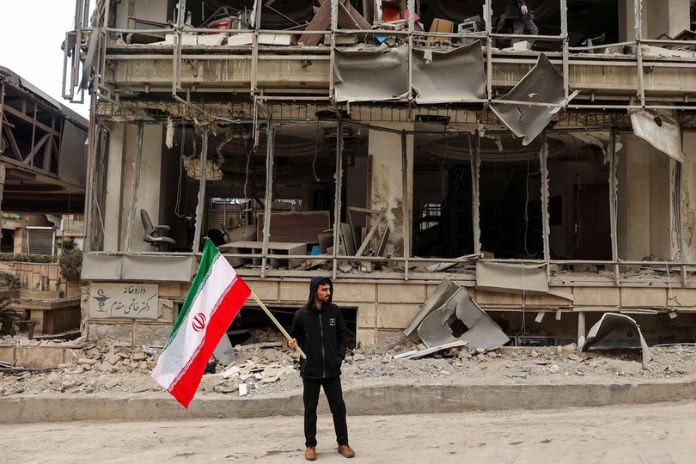
Tensions in the Middle East have boiled over as Iran launches fresh attacks on Israel and US assets in the Gulf. Explosions hit key cities like Dubai, Doha, and Manama, raising fears of a wider conflict. This comes amid relentless US-Israeli airstrikes on Iran, which have now claimed at least 555 lives.
Iran’s security chief Ali Larijani dismissed US reports claiming Tehran sought to restart nuclear talks. Instead, Iran vows to fight back, framing its Gulf strikes as justified retaliation.
Global Leaders Demand Ceasefire
Russia and the United Arab Emirates are urging an immediate halt to the violence. In a recent phone call, President Vladimir Putin and UAE leader Mohammed bin Zayed Al Nahyan called the situation “tragic.” They stressed diplomatic solutions over more bloodshed.
Moscow labeled the US-Israeli actions an “unprovoked aggression” against a sovereign nation. The UAE, hit by Iranian missiles, insisted its soil isn’t used for attacks on Iran—making Tehran’s response “unjustified.”
Washington’s Bold Aims: From Missiles to Regime Shift?
US Defense Secretary Pete Hegseth defended the strikes as payback for decades of Iranian mischief. He pointed to Tehran’s backing of proxy militias and roadside bombs that killed American troops in Iraq since the 1979 revolution.
The mission targets Iran’s navy, ballistic missiles, and nuclear program. Officials hail early successes, but no end date is set. President Trump hinted at a possible four-week campaign, though Hegseth stressed it won’t drag on forever.
Beneath the military talk lies a bigger hope: sparking unrest inside Iran that could topple the regime. Yet analysts warn air raids alone won’t cut it. True change might demand a massive ground invasion—think hundreds of thousands of troops. Iran’s opposition groups are weak, unarmed, and scarred by prior crackdowns that killed thousands during protests.
Uncertain Path Ahead
While the US eyes clear wins like dismantling missile stockpiles and blocking nuclear advances, translating bombs into political victory remains murky. Iran’s proxies could ignite more chaos, and Gulf states brace for fallout.
Russia and UAE’s ceasefire plea highlights a diplomatic lifeline, but with strikes ongoing, the region teeters on the edge. Will internal pressure crack Iran’s leadership, or fuel fiercer resistance? The world watches closely.
(Sources: Adapted from public Al Jazeera reports, March 2026. All content original for educational use.)