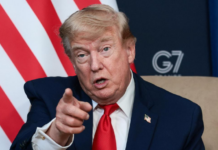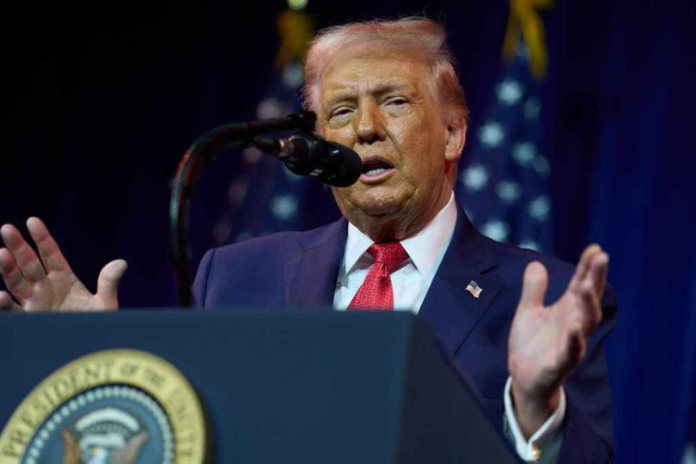
President Donald Trump launched the Board of Peace on January 22, 2026, at a Davos ceremony, positioning it as a bold alternative to traditional UN peacekeeping. As the indefinite chairman, Trump holds veto power and lifelong membership, with an Executive Board featuring figures like Marco Rubio, Jared Kushner, and Tony Blair. Over 50 nations received three-year invitations, while permanent spots cost $1 billion each.
The board targets conflict zones like Gaza for reconstruction and stability, operating under international law through member votes and voluntary funding. Critics question its overlap with UN mandates and enforcement teeth.
India received an early invitation around January 18 via US Ambassador Sergio Gor, but adopted a “wait and watch” policy. New Delhi skipped Davos optics, prioritizing multilateralism and avoiding platforms shared with Pakistan.
Key concerns include undermining UN primacy, a cornerstone of India’s global posture, and domestic backlash over Pakistan’s confirmed role. Opinion pieces urge Modi to decline, citing anti-terror stances and aversion to non-UN missions, while others see strategic gains in influence.
As of January 23, 2026, India weighs exclusion risks against reputational costs from UAE talks and broader diplomacy. This reflects New Delhi’s pragmatic navigation of US-led initiatives amid South Asian tensions.