India and the European Union are on the verge of sealing a landmark free trade agreement on January 27, 2026, in New Delhi, after two decades of negotiations. This pact, one of the world’s largest trade deals, excludes agriculture to safeguard India’s red lines while boosting trade in goods, services, and key sectors. It comes amid global shifts, positioning both sides for stronger economic ties.
Signing Timeline
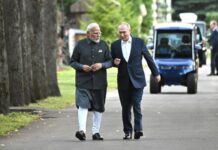
EU leaders Ursula von der Leyen and António Costa will join Prime Minister Narendra Modi for the India-EU summit from January 25-27. Negotiations have finalized 20 of 24 chapters, with virtual talks resolving remaining issues like market access and tariffs. Commerce Secretary Rajesh Agrawal confirmed the deal is “very close,” targeting completion before the leaders’ meet.
Agriculture Exclusion
Sensitive farm products like dairy, sugar, and EU geographical indications stay out, protecting India’s 44% agriculture workforce and addressing EU traceability concerns. This mutual decision avoids disputes, focusing instead on non-agri priorities amid US trade delays under President Trump.
Economic Benefits
The FTA elevates the EU as India’s top goods partner, slashing tariffs on Indian textiles (12-16% currently), pharmaceuticals, autos, and gems. EU gains include easier access for aircraft, chemicals, and services like IT/IP. Bilateral goods trade hit $136 billion recently, with labor-intensive Indian exports poised to surge against rivals like Bangladesh.
India’s 19th FTA advances diversification amid tariffs and supply chain disruptions. Sectors like tech, steel, and business services will thrive through regulatory alignment and digital trade rules.