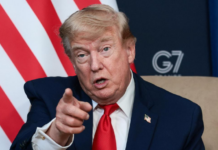
President Donald Trump’s recent 25% tariff announcement on nations trading with Iran has intensified pressure on India’s relationship with Tehran and its BRICS commitments. Government sources reveal India aims to slash trade volumes even more in the 2025-26 financial year, blaming external economic pressures.
The tariff, declared via Truth Social on January 13, 2026, hits countries like China, UAE, Turkey, and Brazil hardest for fueling Iran’s imports. India downplays the blow, as Iran ranks outside its top 50 partners. Bilateral trade hit just USD 1.6 billion last year—0.15% of India’s total—plunging 87% since 2019 U.S. sanctions bit. Exports to Iran stood at USD 1.2 billion in 2024, covering 2.3% of Tehran’s needs, mainly rice and basics.
Yet, ripples extend beyond numbers. India eyed hosting Iranian President Masoud Pezeshkian at the 2026 BRICS summit under its chairmanship. A January visit by Foreign Minister Syed Abbas Araghchi to boost ties, including UN backing on Kashmir, hangs in limbo. Chabahar port upgrades for Central Asia access soldier on, but caution reigns.
External Affairs Minister S. Jaishankar stressed BRICS durability at the 2026 logo event, joined by Iran’s envoy. Iran, a full member since January 2024, faces no formal summit bar. India juggles this with U.S. outreach, including trade-defense chats with Secretary Marco Rubio.
Basmati exporters, already curbed, watch warily. Overall exposure stays low, letting New Delhi pivot without major pain. Still, the move tests India’s multi-alignment in a tense global order.