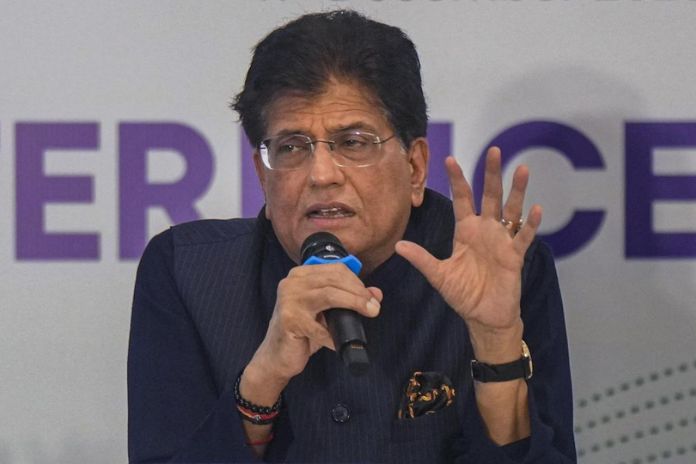
India’s Commerce and Industry Minister Piyush Goyal has announced a major boost for bilateral ties with New Zealand. The newly concluded Free Trade Agreement (FTA) between the two nations is expected to double their trade volume within five years. Current trade stands at around $2.4 billion in goods and services, with projections aiming for roughly $5 billion.
This landmark deal marks a significant step in India’s growing network of FTAs. Talks wrapped up recently, following intense negotiations and ministerial visits. Goyal highlighted the agreement as a “new-generation” FTA during his remarks. It promises expanded opportunities for Indian farmers, small businesses, students, and professionals. The focus remains on scaling up economic cooperation amid global uncertainties.
Building on Strong Trade Foundations
Bilateral merchandise trade hit about $1.3 billion in FY 2024-25. Services, including travel, IT, and business sectors, add another $1.24 billion annually. India enjoys a trade surplus, but the FTA aims to balance and grow this further. New Zealand’s exports to India, like dairy and fruits, will benefit from tariff reductions on nearly 95% of goods. In return, all Indian exports gain zero-duty access to New Zealand markets.
Goyal’s optimism stems from the deal’s comprehensive scope. It covers not just goods but also services, mobility, and investments. New Zealand plans to channel around $20 billion in investments into India over 15 years. This could spur growth in agriculture, technology, and manufacturing on both sides.
Key Wins for India
The agreement eliminates barriers that have long hindered deeper trade links. Indian exporters, especially in textiles, pharmaceuticals, and auto parts, stand to gain big. Zero duties on 100% of Indian goods entering New Zealand open new doors. For New Zealand, slashing tariffs on Kiwi products like wine, cheese, and timber ensures fair access to India’s vast consumer base.
Beyond trade, the FTA fosters people-to-people ties. Easier mobility for professionals and students could enhance skill exchanges. Goyal emphasized during his New Zealand visit that this pact aligns with India’s vision for self-reliant growth while building strategic partnerships.
Path to Doubling Trade
Experts see the doubling target as realistic given the FTA’s momentum. With tariffs gone on most items, trade flows should accelerate. Services trade, already robust, will expand through better rules on IT, education, and tourism. Combined with investment pledges, the deal positions India-New Zealand relations for long-term prosperity.
This FTA comes at a pivotal time, as India pursues similar pacts with the UK, EU, and others. For New Zealand, it diversifies trade away from traditional partners. Goyal’s statement underscores confidence: the India New Zealand FTA will transform economic ties, delivering shared benefits for years ahead.