Bangladesh teeters on the edge of turmoil as the shocking death of Sharif Osman Hadi, a key student leader from the 2024 uprising, ignites widespread protests across Dhaka and beyond. Hadi, who was shot last week, passed away in a Singapore hospital on December 18, 2025, sending shockwaves through the nation still healing from last year’s revolution that toppled Prime Minister Sheikh Hasina.
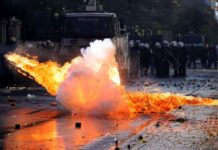
The news broke like a thunderclap. Angry crowds poured into the streets, their grief morphing into fury. Demonstrators torched offices of prominent newspapers such as Prothom Alo and Daily Star, trapping journalists inside amid thick, choking smoke. Rescue teams pulled out the staff just in time, but the damage was done—symbols of free press lay in ruins.
Violence spread like wildfire. Protesters vandalized Sheikh Mujibur Rahman’s historic residence, the father of the nation, and razed an Awami League office in Rajshahi. In Chittagong, a mob attacked the Indian Assistant High Commission, injuring four people including police officers. Roads blocked with burning tires, chants of justice echoed, laced with anti-India slogans blaming external hands in Hadi’s killing.
This fresh wave of Bangladesh unrest revives painful memories of 2024. Back then, student protests against job quotas exploded into a bloody revolution, claiming over 1,400 lives under Hasina’s security crackdown. She fled to India, faced trial, and received a death sentence in November for crimes against humanity. Hadi emerged as a hero from those streets, only to meet a tragic end now.
The interim government led by Nobel laureate Muhammad Yunus faces a stern test. With February elections looming, authorities flooded Dhaka with security forces, firing tear gas and setting up patrols. Yunus appealed for calm, vowing a probe into Hadi’s death. India, meanwhile, hit pause on visa services at some Bangladesh missions over safety fears.
Tensions simmer post-Friday prayers. Demands for accountability grow louder—against those accused of pulling the trigger and any shadowy forces behind it. Newspapers like BBC and Al Jazeera report mobs clashing with police, arson lighting up the night sky. Ex-Hasina allies even point fingers at Yunus’s regime for stoking flames.
As Bangladesh unrest unfolds, the nation holds its breath. Will this spark a full-scale crisis, or can leaders restore order? The streets tell a story of unresolved rage, where one young man’s death reopens old wounds. For now, protests rage on, a reminder that peace remains fragile in this South Asian hotspot.