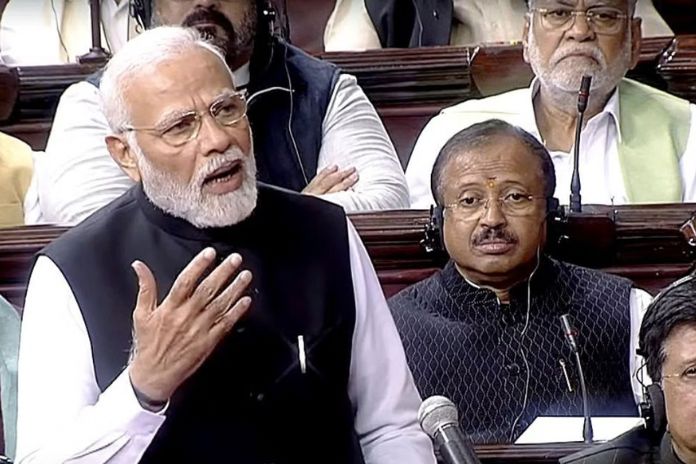
Prime Minister Narendra Modi opened a special Lok Sabha discussion on the 150th anniversary of Vande Mataram, declaring the national song stood “solid as rock” despite brutal British oppression. He emphasized its role as a unifying force during the freedom struggle, inspiring millions from Bengal to the rest of India even as colonizers imposed bans and censorship. This marked a pivotal moment in the Winter Session, blending historical reverence with sharp political critique.
Modi’s Core Message on Resilience
Modi portrayed Vande Mataram as more than a song—a “mantra” and “sacred war cry” that fueled sacrifice and courage against colonial rule. After the 1857 revolt, British authorities pushed their anthem “God Save the Queen” while suppressing Indian cultural symbols, but Vande Mataram emerged as a defiant response during the Swadeshi movement and Bengal partition. The song appeared on everyday items, protests, and publications, forcing the British to outlaw it nationwide due to its mass appeal.
He connected its 100th year to the 1975 Emergency, when patriotic voices faced throttling, underscoring the song’s enduring test across eras. Modi vowed to restore its “greatness,” calling the debate a chance to honor its legacy without letting the moment slip.
Historical Flashpoints Highlighted
Composed by Bankim Chandra Chatterjee in 1876, Vande Mataram became a nationalist anthem amid rising repression post-1857. British propaganda failed as the song spread rapidly, symbolizing cultural assertion and unity. Modi noted its journey from a literary piece to a rally cry that alarmed rulers enough for outright prohibition.
Post-Independence, Defence Minister Rajnath Singh claimed the song was marginalized, adding layers to the narrative of its interrupted prominence.
Political Clash in Parliament
Modi accused Congress and Jawaharlal Nehru of diluting Vande Mataram under pressure from Muhammad Ali Jinnah and the Muslim League, alleging omitted verses appeased certain groups. He recited full versions to underline what was “broken up.” Nehru reportedly viewed it as “mournful” and hard for foreigners, preferring Jana Gana Mana.
Opposition hit back hard. Congress posed questions on Nehru’s role, while Priyanka Gandhi jabbed at Modi’s “selective history” and timing near Bengal polls. TMC and others defended their party’s sacrifices under the song, accusing the BJP of polarizing tactics on its 150th milestone.
Why This Debate Matters Now
At 150 years, Vande Mataram reignites questions on national symbols, colonial resistance, and political ownership. Historians debate appeasement claims, but Modi’s speech frames it as a living ethos of India’s ethos. Lok Sabha Speaker Om Birla called it a reflection of national spirit.
This exchange highlights Parliament’s role in reclaiming history amid Winter Session tensions. As India marks the milestone, the song’s journey—from rock against empire to debate flashpoint—resonates in today’s discourse.