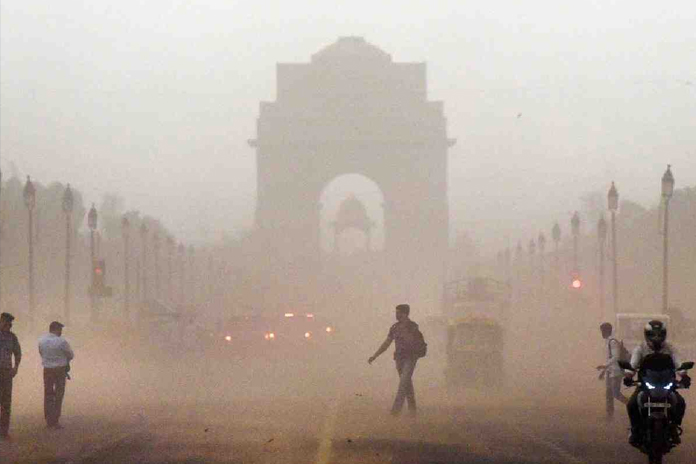
Each winter, as a dense grey veil settles over Delhi, the familiar rituals begin. Schools scramble to adjust timetables, construction sites fall silent, and anxious parents weigh the impossible choice between sending their children outdoors or confining them to cramped rooms. What has changed in recent years is the scale of the fear. This is no longer about seasonal discomfort. It is about a generation of children whose bodies are being shaped, and in many cases scarred, by the air they breathe.
Paediatricians across the National Capital Region have been sounding the alarm for years, but the surge in respiratory illnesses this season feels especially grim. Waiting rooms are overflowing with infants who wheeze through the night, toddlers who vomit from violent coughing bouts, and adolescents who cannot play a simple game of football without triggering breathlessness. Doctors describe a dramatic rise in cases: what used to be an occasional spike in winter has now become a predictable medical emergency. The numbers behind this crisis are stark. Air quality readings routinely cross thresholds at which even healthy adults are expected to feel adverse effects.
For children, whose lungs and immune systems are still forming, the consequences are far more severe. Prolonged exposure to fine particulate matter does not just trigger short-term infections ~ it alters developmental pathways. Studies increasingly point to long-term risks, from reduced lung capacity to chronic respiratory diseases in adulthood. In other words, today’s pollution is shaping tomorrow’s public-health burden. What makes this tragedy particularly cruel is that it unfolds unevenly. Families with resources can seal their homes, buy air purifiers, or briefly relocate. For the city’s working-class residents ~ those living in single-room homes along busy roads, or in settlements where indoor fumes combine with outdoor smog ~ there is no escape. Their children endure an unrelenting assault on their lungs, one that will likely define their health trajectories for life.
Governments respond each year with a familiar playbook: halting construction, restricting certain vehicles, or experimenting with temporary engineering fixes. These measures may offer marginal relief, although even that is doubtful, but they do not confront the structural roots of the crisis. Crop-burning persists, industrial emissions remain difficult to regulate, and the city’s dependence on private vehicles continues to grow. Policymakers often argue that solutions require coordination across states and sectors. That may be true, but it cannot justify inertia when children’s health is at stake. What Delhi faces today is not merely an environmental challenge; it is a profound ethical one. A regime that came to power with a promise to fix things but cannot guarantee breathable air to its youngest citizens has lost its claim to basic governance. The question is no longer whether we can afford long-term solutions. It is whether we can afford the consequences of continuing without them. The cost is already being paid ~ every time a child struggles for breath.