Home India Politics G20 Leaders Call for Stronger Developing Nations’ Voice in Global Financial Institutions
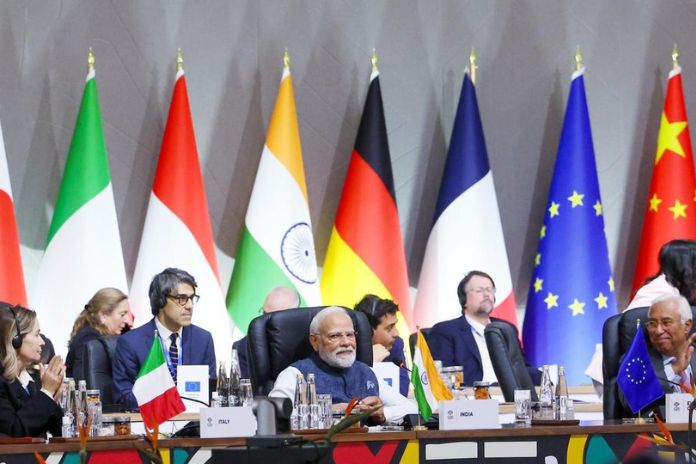
At the 2025 G20 Summit in Johannesburg, South African leaders, along with global counterparts, underscored the critical need to improve the representation of developing countries in decision-making processes of Multilateral Development Banks (MDBs) such as the World Bank and the International Monetary Fund (IMF). The call for reform reflects growing recognition that these institutions’ governance structures have not kept pace with the changing global economy, often sidelining voices from low- and middle-income nations.
The G20 leaders reaffirmed MDBs’ vital role in driving poverty reduction, economic growth, and sustainable development. Yet they acknowledged that without better representation, many vulnerable countries will continue to face barriers in accessing affordable finance, managing debt, and investing in long-term development and climate-related goals.
One key outcome was the welcome of the establishment of a 25th chair on the IMF Executive Board dedicated to improving Sub‑Saharan Africa’s voice and influence. Leaders also supported ongoing reforms to ensure IMF quotas better reflect member countries’ economic standings while safeguarding the poorest nations’ interests.
Additionally, the summit highlighted the G20 MDB Roadmap aimed at making these banks “better, bigger, and more effective.” Reforms under this plan focus on increasing MDB lending capacity, sharing risks with the private sector, and utilizing new financial tools without compromising fiscal stability.
The declaration also touched on broader debt challenges many low- and middle-income countries endure—including high borrowing costs and refinancing pressures—and stressed the importance of initiatives like the G20 Common Framework for debt treatment. While progress has been made in some countries, leaders agreed much work remains to create a fairer and more resilient global financial system suited to the needs of developing nations.
The 2025 G20 Summit thus marks a significant step towards reshaping international finance to be more inclusive and responsive, aiming to empower developing countries to better participate in decisions that shape their economic futures.