Home International Bangladesh’s Former Prime Minister Sheikh Hasina Sentenced to Death Over 2024 Protests...
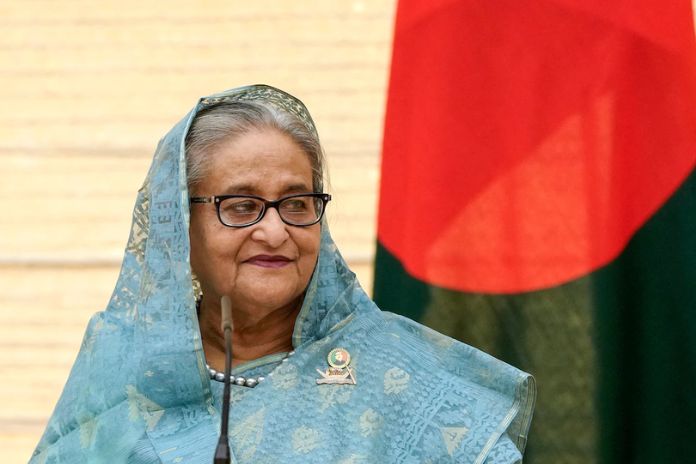
In a landmark and controversial verdict in 2025, former Bangladesh Prime Minister Sheikh Hasina was sentenced to death by the country’s International Crimes Tribunal. The conviction stems from her alleged role in ordering a brutal crackdown on student-led protests in 2024, which turned deadly and led to widespread unrest. This ruling marks a dramatic fall from power for Hasina, who had led Bangladesh for over 15 years and is currently living in exile in India.
The tribunal found Hasina guilty of multiple charges related to crimes against humanity. These include inciting violence, issuing orders for lethal repression, and failing to prevent killings during the protests that erupted in July and August of the previous year. The court concluded that her directives contributed directly to the deaths of over 1,400 people during the unrest.
Hasina, who did not attend the trial, strongly condemned the verdict, describing the tribunal as biased and politically motivated by the interim government led by Muhammad Yunus. Supporters of Hasina and leaders within the Awami League have expressed outrage over the ruling, calling it a means to eliminate their party’s influence and control ahead of upcoming national elections.
The political fallout from the verdict has been significant. Bangladesh has formally requested India to extradite Hasina, heightening tensions between the neighboring countries. Widespread security measures were enacted across the country to prevent potential unrest following the announcement.
Sheikh Hasina’s leadership over the years was marked by both economic development and accusations of authoritarianism. Her government balanced significant social and infrastructure progress with criticism over crackdowns on dissent and opposition. Her conviction brings an abrupt and turbulent end to her long rule and raises pressing questions about Bangladesh’s political future amid regional geopolitical challenges.
This sentence against a former head of government on charges of crimes against humanity is rare and underscores the ongoing instability in Bangladesh following the 2024 protests.