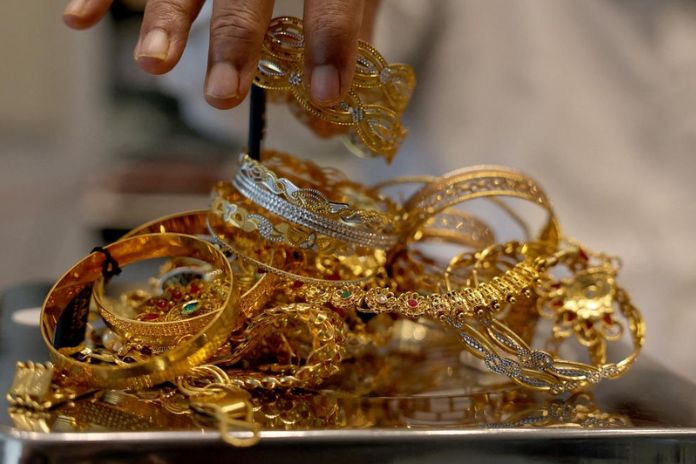
Gold prices in India climbed to an all-time high of ₹1.06 lakh per 10 grams on September 2, 2025, driven by rising concerns over global tariffs and a weakening Indian rupee. This surge reflects how gold remains a preferred safe-haven asset amid economic uncertainties.
The recent jump in gold rates was primarily fueled by ongoing tariff tensions in global trade. These issues have increased demand for gold as a secure investment, pushing prices upward. Additionally, the Indian rupee has weakened against major currencies, raising the cost of importing gold into the country. As a result, gold prices in India have been pushed to new heights.
Throughout 2025, gold prices have shown a steady rise, influenced by multiple factors. Expectations that the U.S. Federal Reserve might lower interest rates reduced the opportunity cost of holding gold, which helped maintain its appeal. Moreover, central banks, especially across Asia, have increased their gold purchases, further supporting the market.
The rupee’s depreciation is a significant factor behind the domestic increase in gold prices. When the rupee weakens, it makes imported gold more expensive, causing prices within India to rise even faster. Experts suggest that if the rupee remains weak amid ongoing tariff concerns, gold could soon approach ₹1.09 lakh per 10 grams.
Gold’s strong performance in 2025 has been boosted by inflation fears, geopolitical risks, and broader economic uncertainties. These factors have created a favorable environment for gold to act as a safe store of value, protecting investors during volatile times.
In summary, the record-high gold price of ₹1.06 lakh per 10 grams demonstrates the metal’s continued importance as a defensive asset. For Indian buyers, currency weakness combined with global economic risks has pushed gold prices to historic levels, underlining the metal’s role as a trusted investment choice in challenging times.