With the United States increasing its pressure on countries importing Russian oil, India faces a significant financial threat. Analysts project that if U.S. sanctions force India to reduce or halt purchases of discounted Russian crude, India’s oil import bill could rise by $9–11 billion per year. This is a serious concern for the Indian economy, which has benefited greatly from importing Russian oil at roughly $5 per barrel less than global prices since the Ukraine conflict began in 2022. The share of Russian crude in India’s total oil imports has surged from under 0.2% to about 35–40%, helping India manage its energy costs and curb domestic inflation.
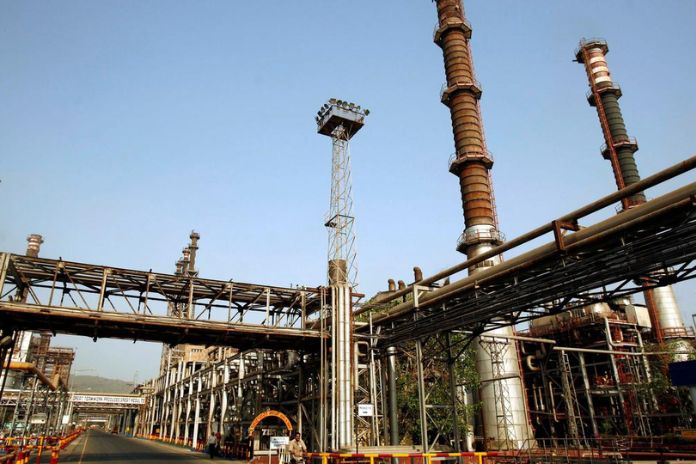
Losing access to discounted Russian barrels would force Indian refiners to seek oil from other regions like the Middle East, West Africa, or Latin America, where prices and logistical costs are generally higher. Major companies, including Reliance Industries and Nayara Energy, stand to be most affected since they are responsible for much of India’s Russian oil imports. Being compelled to switch suppliers not only increases purchasing costs but also adds complexities in refining and shipping, putting pressure on corporate profit margins.
Higher costs for oil imports would likely trickle down to Indian consumers through pricier fuel and goods. This comes at a time when India is already grappling with inflation and a $137 billion crude oil import bill for the previous fiscal year. Any disruption leading to increased prices puts additional strain on government budgets, consumer wallets, and the country’s overall inflation outlook.
The situation is made more complex by new European Union regulations banning imports of fuels refined from Russian crude, even if those fuels are processed outside Russia. Despite mounting international pressure, Indian authorities have yet to formally instruct refiners to stop Russian oil purchases, striving to balance energy security with diplomatic relationships.
In summary, if the U.S. penalty risk escalates and India is forced to reduce or stop Russian oil imports, the consequences for India’s economy could be far-reaching. Indian refiners and consumers would face higher costs, and the wider economy could see a renewed surge in inflation, underscoring the growing importance of careful diplomatic and energy policy decisions in the months ahead.