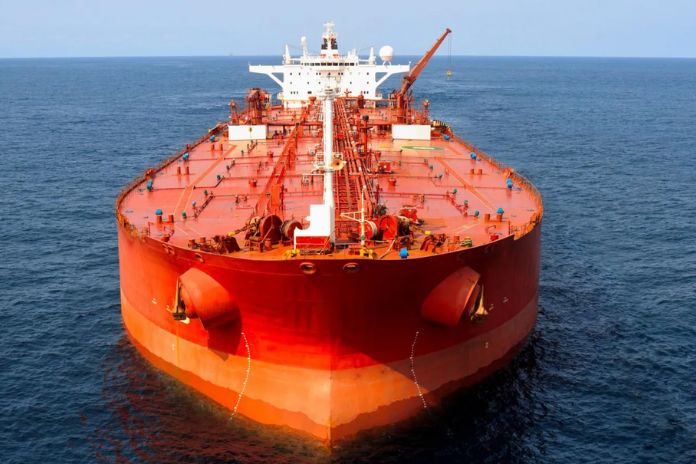
Oil prices have surged to a five-month high following a dramatic escalation in tensions between the United States and Iran. After the U.S. launched airstrikes on Iran’s nuclear facilities, global oil markets reacted immediately, pushing prices upward. Brent crude reached close to $78.50 per barrel, while U.S. WTI crude climbed above $75. These are the highest levels seen since early this year.
The main concern now revolves around the Strait of Hormuz. This narrow waterway is a key route for nearly 20% of the world’s oil supply. Any disruption here, especially one caused by Iranian retaliation, could impact global energy flows. Iran’s parliament has already passed a resolution calling for the closure of the Strait in response to the U.S. attacks. Although the final decision rests with the country’s Supreme National Security Council, the possibility alone has raised alarm across international markets.
Experts say that if Iran follows through with this threat, crude prices could shoot up even further, potentially crossing the $100 per barrel mark. Such a move would affect not just oil prices but also global inflation, shipping costs, and economic growth.
India, being one of the world’s largest oil importers, has taken note of the situation but remains calm for now. The Indian government has assured the public that domestic fuel supply is stable. This confidence comes from efforts in recent years to reduce dependency on the Middle East by diversifying crude imports. India now sources oil from countries like Russia, West Africa, and the United States, among others. Additionally, the country has built up its strategic petroleum reserves to handle emergencies and short-term disruptions.
The Indian Navy continues to monitor the region under Operation Sankalp, which was launched in 2019 to protect Indian vessels passing through the Gulf. While there is no immediate impact on fuel prices or supply chains, any long-term conflict in the Middle East could eventually lead to price hikes in India. This would have ripple effects across the economy, possibly raising inflation and affecting the country’s trade balance.
Indian stock markets have already reacted cautiously. Indices like Sensex and Nifty have seen slight dips due to global uncertainty. The rupee, too, has weakened slightly against the U.S. dollar, although the Reserve Bank of India may step in if currency fluctuations become too sharp.
The situation is still unfolding. Whether Iran will retaliate further and whether the Strait of Hormuz will remain open are key questions. For now, the world watches closely as oil prices become a reflection of rising geopolitical tensions.