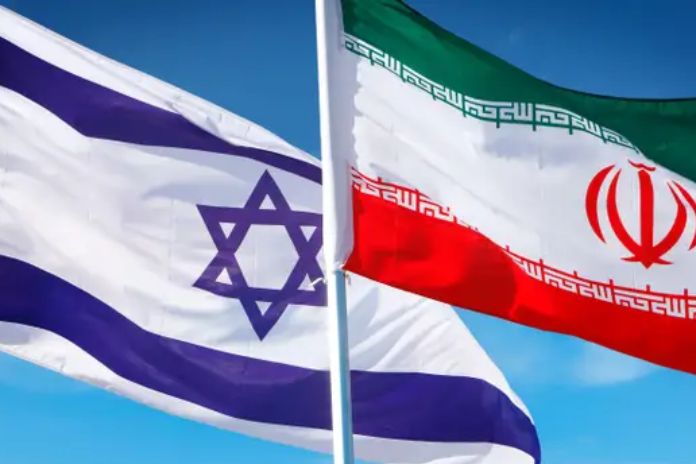
The conflict between Israel and Iran has reached a dangerous peak as both nations continue to exchange deadly airstrikes and missile attacks. On June 19, 2025, Israeli forces targeted Iran’s key nuclear facilities including Bushehr, Natanz, Isfahan, and Arak, along with several government and military buildings in Tehran. These strikes reportedly killed over 224 people, causing widespread destruction and panic.
In retaliation, Iran launched missile and drone attacks on Israeli cities. One of the missiles struck the Soroka Medical Center in Beersheba, injuring more than 200 people. Civilian areas, including hospitals, have been hit on both sides, raising serious humanitarian concerns.
Israel’s Defense Minister stated that the military now aims to eliminate Ayatollah Ali Khamenei, Iran’s Supreme Leader, calling him a modern-day Hitler. Prime Minister Netanyahu appears focused on weakening Iran’s nuclear program, missile systems, and political leadership, hoping to pressure the regime into submission.
The rising violence has drawn international concern. Amnesty International has demanded immediate protection for civilians, warning of a growing humanitarian crisis. Russia, led by President Putin, has offered to mediate between the two nations. China urged all parties, especially the United States, to act responsibly and avoid further escalation. Saudi Arabia is also increasing diplomatic efforts to maintain regional stability.
U.S. President Donald Trump, speaking on the ongoing crisis, said he is considering direct involvement, claiming Iran is just weeks away from building nuclear weapons. Iran responded by warning that any American intervention could spark a larger war across the region. Analysts fear that a move to eliminate Khamenei could destabilize Iran and potentially bring more extreme elements to power.
Now in its seventh day, the conflict shows no sign of slowing. As airstrikes continue and civilians suffer, the world hopes for urgent diplomacy to prevent a full-scale regional war.