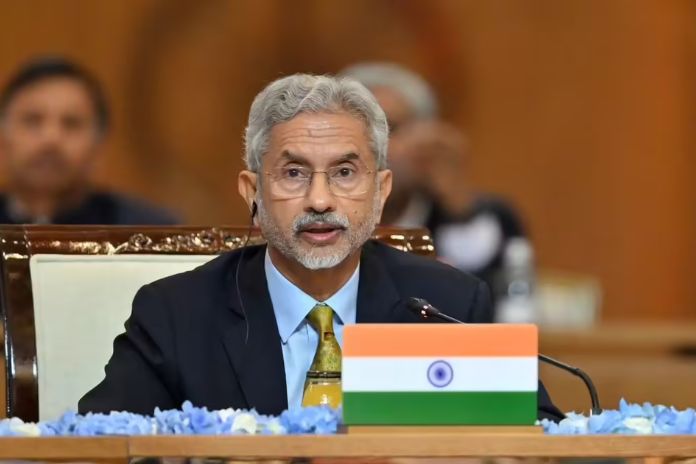
External Affairs Minister S Jaishankar has cautioned that the world is heading for a major food crisis in the coming months. Speaking at an Asia Society event in New York, he said disruptions to grain exports, severe fertiliser shortages and adverse climate patterns are combining to create a dangerous situation, especially for developing countries.
Grain shipments under threat
Jaishankar pointed to growing risks around grain exports from key producing regions. “We are today looking at a situation where some of the major grain exporters will not be able to send out their shipments, particularly out to the Black Sea,” he said.
Ukraine and Russia together account for a large share of global wheat, maize and sunflower oil supplies. Repeated disruptions in the Black Sea corridor since the start of the Ukraine war have already strained global markets. Any further curtailment of shipments from this region is likely to tighten supplies and push up food prices, hitting import-dependent nations in Africa, the Middle East and parts of Asia.
Fertiliser shortage adds to risk
The External Affairs Minister also highlighted a sharp fall in fertiliser availability. “We are already looking at major significant fertilizer shortages,” Jaishankar said, noting that many key producers are in West Asia and Russia, where conflicts have affected production and logistics.
Fertilisers are critical for maintaining crop yields of staples such as wheat, rice, maize and oilseeds. When farmers cannot access enough fertiliser, or when prices become too high, yields drop and harvests shrink. This directly reduces food availability and adds to upward pressure on prices, turning an energy and geopolitics problem into a hunger risk.
Super El Niño compounds pressure
Jaishankar warned that climate factors are making the situation worse. He cited the likely impact of a strong El Niño weather pattern, which can trigger droughts in some regions and excessive rainfall in others, damaging crops and disrupting farming cycles.
When fertiliser shortages and export disruptions coincide with poor weather, the combined effect can be severe. Lower production in major exporting countries means less food in global markets at a time when many nations are already struggling with high energy costs and tighter financial conditions.
Implications for India and Global South
For India and other Global South economies, the risks include higher import bills for food and fertilisers, rising domestic food inflation and added stress on farmers. Jaishankar said these shocks are hitting developing countries with “dangerous force”, as capital flows to safe havens during conflicts and energy markets remain volatile.
His warning underscores that the emerging major food crisis is not just about one commodity or region. It is the result of overlapping energy, fertiliser, food and finance shocks, with the poorest households likely to bear the heaviest burden in the months ahead.