

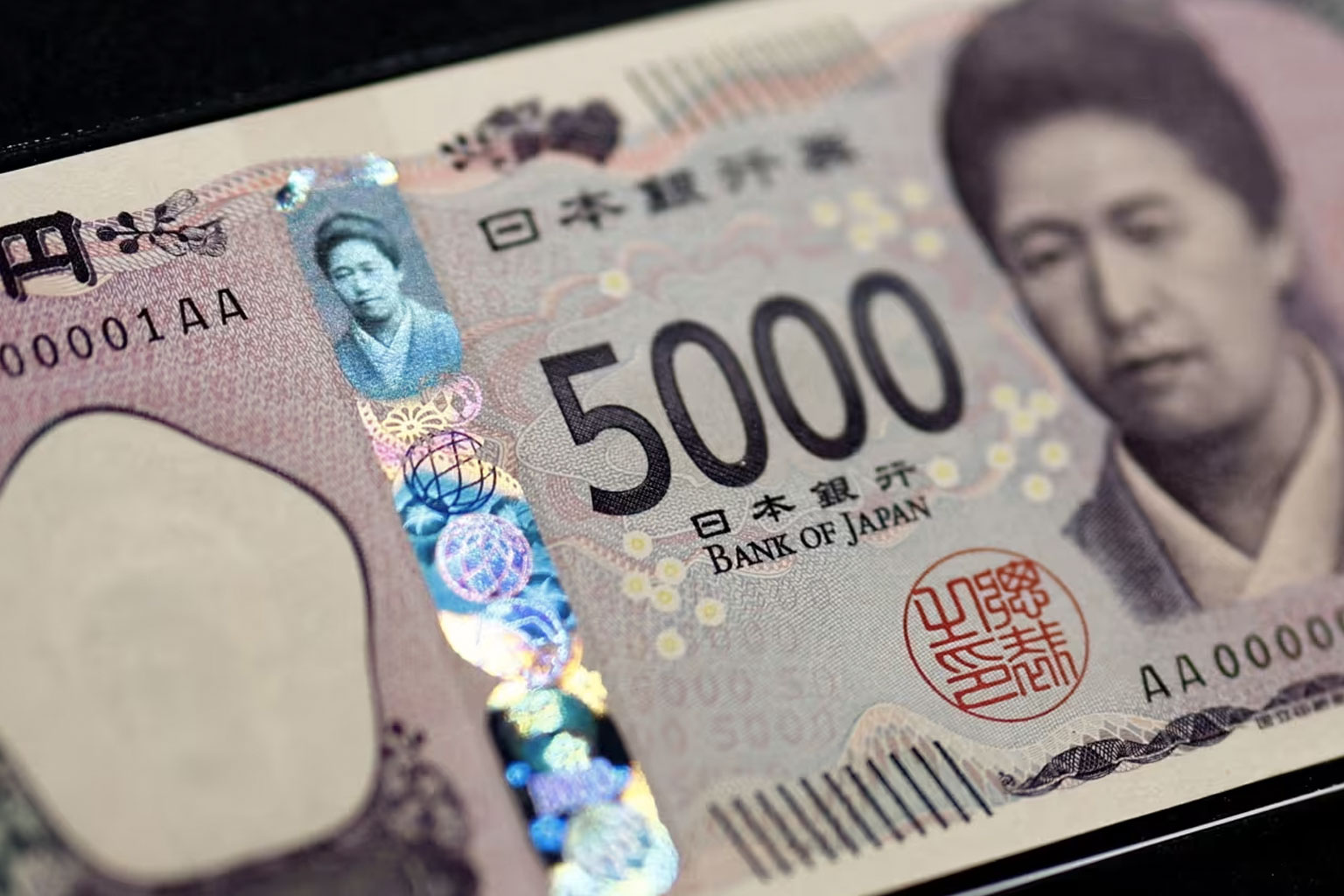
In an era of global financial interconnectivity, countries often explore various avenues for securing funds. Recently, India has turned to borrowing in Japanese yen, securing a significant loan of ¥50 billion (approximately $450 million) from Japan. This move underscores India’s strategic financial planning amid evolving economic dynamics. Here’s an in-depth look at why India is choosing to borrow in yen and what it means for its economy.
The appeal of low interest rates
One of the primary reasons India is borrowing in Japanese yen is the appeal of Japan’s persistently low interest rates. The Bank of Japan has maintained a near-zero interest rate policy for years to combat deflation and stimulate economic growth. This environment offers a lucrative opportunity for countries like India to secure financing at a lower cost compared to borrowing in US dollars or euros, where interest rates are relatively higher.
Diversification of debt portfolio
Diversifying its debt portfolio is another critical factor driving India’s decision. By borrowing in yen, India spreads its risk across different currencies. This strategy helps mitigate the potential negative impact of currency fluctuations on its debt servicing costs. A diversified debt portfolio can enhance financial stability, especially in volatile global markets where the US dollar might strengthen or weaken unpredictably.
Strengthening bilateral ties
Borrowing in Japanese yen also serves to strengthen India’s economic ties with Japan. The two countries share a robust relationship, with Japan being one of India’s significant trading partners and a major source of foreign direct investment (FDI). By tapping into Japan’s financial markets, India not only secures favorable borrowing terms but also fosters deeper economic collaboration. This can lead to increased Japanese investment in Indian infrastructure projects, technology, and other critical sectors.
Hedging against dollar fluctuations
The global dominance of the US dollar makes it a critical factor in international finance. However, heavy reliance on dollar-denominated debt can expose countries to significant risks, especially when the dollar appreciates. By borrowing in yen, India hedges against such risks. If the yen depreciates relative to the dollar, India’s debt servicing costs could potentially decrease, providing a financial cushion against dollar volatility.
Supporting infrastructure growth
India’s ambitious infrastructure growth plans require substantial capital. Projects like the Delhi-Mumbai Industrial Corridor and various smart city initiatives necessitate significant funding. Borrowing in yen provides India with the necessary capital at lower costs, facilitating the execution of these large-scale projects without imposing excessive financial burdens.
Leveraging Japan’s investment appetite
Japan has a considerable appetite for overseas investments, driven by its aging population and limited domestic growth opportunities. Japanese investors are continually seeking higher returns abroad. India, with its rapidly growing economy and vast market potential, presents an attractive investment destination. Borrowing in yen aligns with this dynamic, enabling India to tap into Japan’s surplus capital while offering Japanese investors access to lucrative opportunities.
India’s decision to borrow ¥50 billion in Japanese yen is a multifaceted strategy aimed at optimizing its financial management, diversifying its debt portfolio, and leveraging favorable economic conditions. By capitalizing on Japan’s low interest rates, fostering stronger bilateral ties, and mitigating currency risks, India positions itself advantageously in the global financial landscape. This approach not only supports India’s infrastructure ambitions but also enhances its economic resilience amid a complex and ever-changing global economy.
In the broader context, this move reflects India’s proactive approach to financial strategy, showcasing its ability to navigate international markets effectively. As global economic dynamics continue to evolve, such strategic decisions will play a crucial role in shaping India’s economic trajectory and fostering sustainable growth.








 from Japan. This move underscores India’s strategic financial planning amid evolving economic dynamics. Here’s an in-depth look at why India is choosing to borrow in yen and what it means for its economy.)