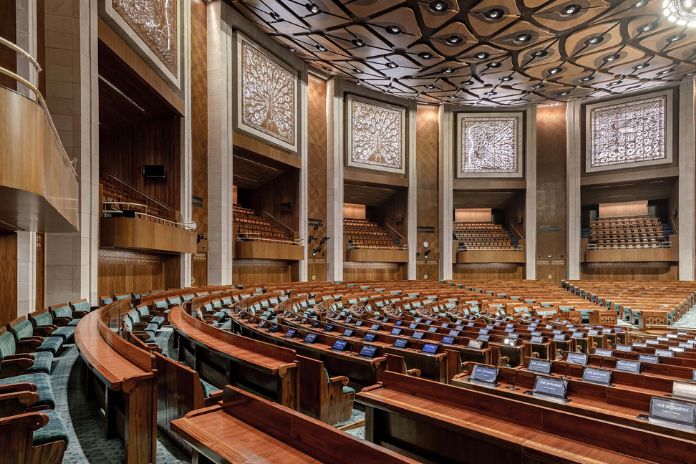
India’s Monsoon Session of Parliament has created an unusual parliamentary record. Although the Lok Sabha adjourned its sittings on August 13, 2026, the session had still not been formally prorogued 83 days later. This is now the longest such gap in Lok Sabha history, surpassing the 76-day record set in 1987 during the Bofors controversy.
The 2026 Monsoon Session began on July 20 and had 19 sittings over 25 days before being adjourned sine die on August 13. An adjournment sine die means the House has stopped meeting without fixing a date for its next sitting. However, the session itself remains legally open because it has not been formally ended through prorogation.
What prorogation means
Prorogation formally ends a parliamentary session. Under Article 85(2) of the Constitution, the President can prorogue Parliament on the advice of the Prime Minister. Once a session is prorogued, pending business ends and a new session must be summoned.
By contrast, an adjournment sine die pauses the House’s work but does not close the session. The Lok Sabha Speaker can reconvene the House under the proviso to Rule 15, allowing Parliament to meet again without issuing a fresh summons for an entirely new session.
Why the delay matters
The extended gap has fuelled speculation that the government may call an extended or special sitting. Because the session has not been prorogued, reports say an extended sitting could be convened with about two days’ notice, whereas a new session ordinarily requires around 14 days’ notice.
Possible reasons discussed in political circles include legislation relating to delimitation or the implementation of the Women’s Reservation law. These remain speculation; the government has not announced a date for reconvening Parliament.
Parliamentary Affairs Minister Kiren Rijiju has said there is no constitutional rule requiring prorogation within a fixed period after an adjournment sine die.
The Bofors-era records
Before 2026, the two longest sine-die adjournments in Lok Sabha history occurred during the Eighth Lok Sabha, amid the Bofors controversy.
The 1987 record was particularly significant because the Bofors allegations dominated Parliament. The session was eventually prorogued on September 3, 1987, after the long interruption.
What happens next
The unprorogued session gives the government flexibility, but it also keeps Parliament in a technically active state. If the Lok Sabha is prorogued, the government will need to summon a fresh session before further legislative business can be taken up.
For now, the 83-day gap stands as a historic parliamentary first, with the Bofors-era records of 1987 and 1989 now pushed into second and third place.