The US-Iran conflict deepens as fresh attacks in Bahrain and at Iran’s Chabahar port push West Asia into a more dangerous phase. The latest escalation has raised alarm across the Gulf, disrupted security calculations, and put India’s regional interests back in focus.
Iran said it launched drone strikes targeting US military assets in Bahrain after a new wave of American attacks. Reports from the region said Bahrain and other Gulf states went on alert as tensions surged. The move marks a sharp expansion of the conflict beyond Iranian territory and into a wider regional confrontation.
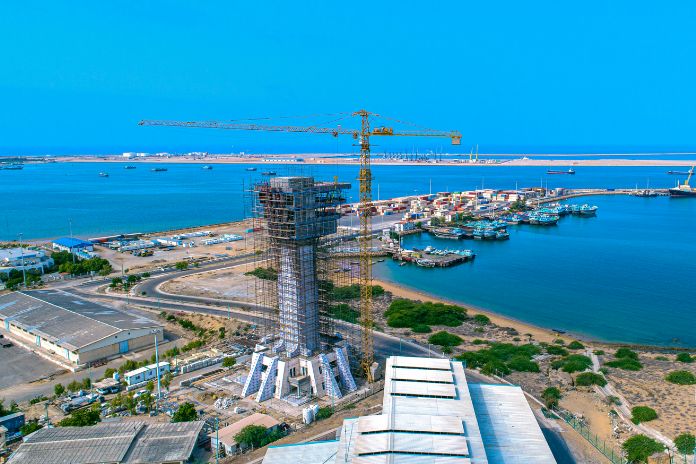
At the same time, Chabahar port in Iran has reportedly suffered damage in US strikes. The port is important not only for Iran but also for India because of its role in trade connectivity and regional access plans. Damage to the port has created fresh uncertainty over shipping, logistics, and strategic infrastructure in the area.
The developments are significant because they show how quickly the conflict is spreading. What began as direct strikes between the US and Iran is now affecting Gulf security, maritime routes, and key economic corridors. The pressure on commercial shipping is especially worrying, as the region remains vital for global energy supplies and trade movement.
India has responded with caution. The Ministry of External Affairs has called for restraint, dialogue, and de-escalation, while stressing the need to protect civilians and maintain the flow of commerce. For New Delhi, the crisis is not only about diplomacy but also about safeguarding Indian nationals, energy supplies, and strategic investments.
Chabahar holds special importance for India’s long-term connectivity ambitions. Any damage to the port or instability around it can affect broader regional trade plans and India’s access to Central Asia. That is why the latest strikes are being watched closely in New Delhi as much for their economic impact as for their geopolitical meaning.
The Bahrain attack also adds a new layer of concern. US-linked military targets in the Gulf have become direct flashpoints, which could lead to further retaliation and wider instability. If the cycle of strike and counterstrike continues, the risk to shipping lanes, ports, and civilian infrastructure will rise even more.
For now, the region is entering a highly unstable phase. The conflict is no longer limited to military exchanges between two countries; it is spilling into neighboring states and threatening critical trade and transport networks. That is what makes the latest events around Bahrain and Chabahar so serious.
India’s position remains clear: reduce tensions, protect civilians, and avoid a larger war that could damage the entire region. With the Gulf already on edge, every new strike increases the chance of a broader crisis with consequences far beyond West Asia.