India’s edible oil imports rose 3% in FY26, driven mainly by a sharp increase in duty-free shipments from Nepal under the South Asian Free Trade Area agreement. The rise highlights how trade flows through neighboring countries can influence India’s import trends even when overall demand changes only gradually.
According to industry estimates, India imported 166.51 lakh tonnes of edible oils in FY26, slightly higher than the previous year. The biggest reason for the increase was the jump in imports from Nepal, which benefited from zero-duty access to the Indian market.
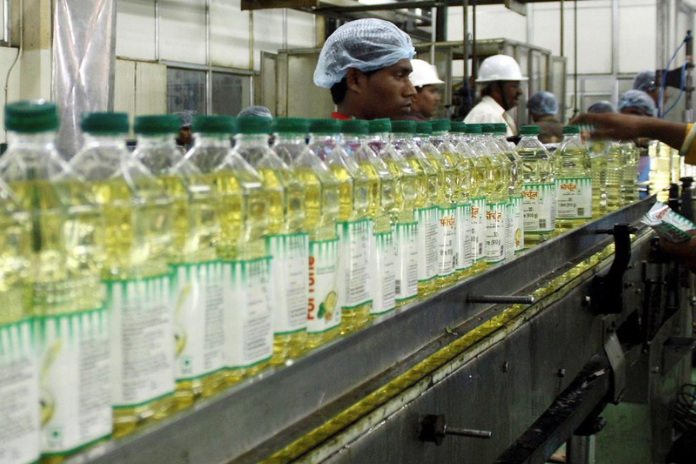
Nepal’s shipments of edible oil to India more than doubled during the year. Traders in Nepal reportedly imported crude edible oils, refined them locally, and then exported the finished product to India without customs duty. This route became more attractive because of the tariff advantage available under SAFTA.
The growth in these inflows also shows how regional trade agreements can shape commodity markets. While SAFTA was designed to encourage trade among South Asian countries, it has also created opportunities for cross-border processing and re-export. In this case, Nepal’s duty-free access helped it emerge as a major supplier of refined edible oil to India.
Industry body Solvent Extractors’ Association said the increase in Nepal-linked shipments was the main factor behind the overall rise in India’s edible oil imports. Without those inflows, imports may have stayed flat or even declined, despite steady demand from households and the food industry.
The development comes at a time when India continues to depend heavily on imported edible oils to meet domestic consumption needs. Palm oil, soyabean oil and sunflower oil remain key import items, and global price changes continue to affect local markets. Any shift in trade policy or routing can therefore have a direct impact on import volumes and pricing.
For India, the surge in Nepal duty-free shipments raises broader questions about trade monitoring and policy design. It also shows the growing importance of refining and re-exporting hubs in the region. As long as the tariff gap remains wide, such trade flows are likely to continue.
In simple terms, India imported more edible oil in FY26 because Nepal sent in much larger duty-free volumes. The result was a 3% rise in total imports, even though the main domestic consumption pattern did not change dramatically.