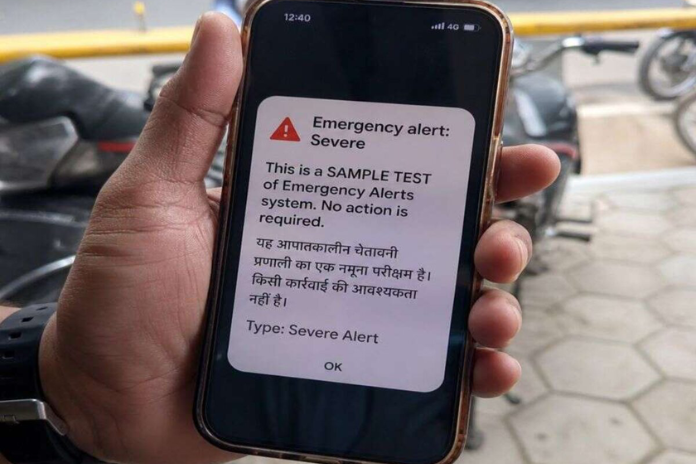
India has kicked off nationwide testing of its indigenous Cell Broadcast (CB) system, a game-changer for real-time disaster warnings. Developed by C-DOT with the Department of Telecommunications (DoT) and National Disaster Management Authority (NDMA), this system upgrades the existing SACHET platform to deliver alerts across all 36 states and union territories without network overload.
What Is the Cell Broadcast System?
Unlike regular SMS that clogs networks in crises, CB blasts geo-targeted messages to every mobile in a specific area simultaneously. It follows the global Common Alerting Protocol (CAP) and supports English, Hindi, plus regional languages for wider reach. Tests began around April 29, 2026, sending sample alerts like: “India launches Cell Broadcast using indigenous technology for instant disaster alerting service… This is a test message.” No user action needed—just ignore during trials.
Core Features and Benefits
This system shines in speed and reliability:
- Geo-Targeting: Pinpoints alerts to danger zones for threats like floods, earthquakes, tsunamis, lightning, gas leaks, or chemical spills.
- Network Independence: Works via base stations, reaching phones even offline or in airplane mode (on compatible devices).
- SACHET Integration: Builds on a platform that has dispatched over 134 billion alerts in 19+ languages since launch.
- User Controls: Toggle test alerts in phone settings (Settings > Safety and emergency > Wireless emergency alerts > Test alerts). Real emergencies auto-activate.
It bolsters India’s defenses against escalating climate disasters, ensuring faster evacuations and fewer casualties.
Testing and Rollout Timeline
Pan-India trials hit full stride by late April 2026, covering major cities. Union Home Minister Amit Shah and Communications Minister Jyotiraditya Scindia will officially unveil it today, May 2, 2026, in spots like Delhi-NCR. Early phases involved DoT and NDMA collaborations, proving near-real-time delivery.
Users across networks reported receiving pop-up alerts—loud, persistent, and unmissable. Post-tests, the system goes live for actual threats, prioritizing public safety without spamming daily life.
How It Works in Action
Imagine a cyclone barreling toward coastal Andhra Pradesh. Base stations push CAP-formatted alerts to all devices in the path within seconds. Messages detail hazards, safe zones, and actions—no SIM or data required. This indigenous tech cuts reliance on foreign systems, aligning with India’s self-reliance push in telecom and disaster management.
Why It Matters Now
With rising extreme weather—think 2024’s record floods or heatwaves—timely warnings save lives. SACHET’s track record shows promise, but CB’s broadcast power takes it further. As climate risks grow, this positions India as a leader in homegrown emergency tech.
Experts hail it as a “vital upgrade” for a disaster-prone nation. Citizens: Keep phones updated and settings checked. The future of alerts is here—fast, free, and fully Indian.