The United Arab Emirates (UAE) has announced its departure from OPEC and the broader OPEC+ alliance, effective May 1, 2026. This historic move ends nearly six decades of membership for the Gulf powerhouse, delivering a significant setback to the oil producers’ group at a time of acute global energy strain.
Strategic Shift Behind the Exit
UAE leaders pointed to evolving national priorities as the core reason. The country seeks greater flexibility in its oil output, which has been constrained by OPEC quotas. Despite capacity exceeding 4 million barrels per day, UAE production has hovered around 3 million barrels, creating long-standing frustrations—especially with rival Saudi Arabia.
Abu Dhabi emphasized its commitment to responsible growth, economic diversification, and low-carbon initiatives. This aligns with UAE’s ambitious net-zero emissions target by 2050 and recent deals in clean energy. By leaving, UAE aims to ramp up supplies gradually to stabilize markets without cartel restrictions.
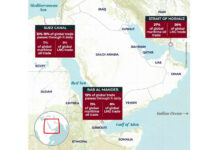
Regional dynamics played a key role too. Tensions over quotas date back years, fueled by conflicts like Yemen. The decision comes amid the ninth week of the Iran war, which has disrupted flows through the Strait of Hormuz—a vital chokepoint for 20% of global oil.
Hammering OPEC’s Unity
As OPEC’s third-largest producer, UAE’s exit undermines the cartel’s influence. OPEC+ has already lost members like Qatar and Angola, and this departure signals deeper fractures. Saudi Arabia, the group’s anchor, now faces heightened pressure to hold the alliance together.
The timing amplifies the blow. Hormuz disruptions have sidelined much of UAE’s own output, alongside broader Gulf production. Yet, post-exit freedom could allow UAE to fill gaps faster than peers bound by quotas.
Oil Market Ripples
Global crude prices have surged past $110 per barrel, driven by supply shocks from the Iran conflict. UAE’s move might ease shortages long-term through higher responsible production. However, short-term market jitters could push prices higher as traders weigh cartel cohesion.
Experts see this as a pivot toward market-driven strategies. UAE plans to cooperate with non-OPEC partners, focusing on competitive, sustainable energy. This reflects a broader trend: oil giants diversifying beyond fossil fuels amid geopolitical volatility.
Looking Ahead
UAE’s exit highlights OPEC’s vulnerabilities in a multipolar energy world. While pledging market stability, Abu Dhabi positions itself for OECD-like flexibility and green transitions. For global consumers, it means potential relief from shortages—but at the cost of a weakened oil alliance navigating war and uncertainty.