Amid rising US-Israel-Iran tensions, around 2 lakh MT of LPG and 16.7 lakh MT of crude oil sit stranded on Indian-flagged vessels in the Strait of Hormuz. Officials report 22 ships with 611 crew members safe as of March 18, 2026, while diplomacy eases some blockages.
The Strait of Hormuz, a vital chokepoint for 20-25% of global oil trade, faces disruptions from the conflict. India relies heavily on it for cooking gas and refinery feedstock, raising alarms over domestic shortages.
Ships and Cargo Details
Twenty-two vessels are positioned west of the strait, including:
- Six LPG carriers holding about 3 lakh MT total—vital for household cooking fuel.
- Four crude oil tankers with roughly 16.7 lakh MT, based on standard loads.
- One LNG tanker, plus container and bulk carriers.
This cargo equals days of India’s LPG needs, affecting millions of users. Ports prepare extra storage to handle delays once ships move.
Breakthrough Transits
Progress emerged recently. Two LPG carriers—Shivalik (45,000+ MT) and Nanda Devi (46,500 MT)—crossed safely on March 14. They docked at Mundra and Kandla in Gujarat, with discharge ongoing and no congestion.
A crude tanker, Jag Laadki (81,000 MT from UAE), heads to India. These successes stem from talks with Iran, though most vessels wait.
Crew Safety First
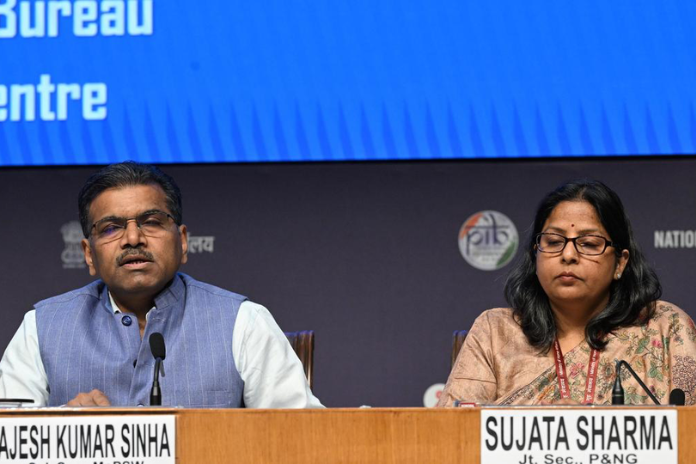
All 611 Indian seafarers remain safe, per the Ministry of Ports, Shipping and Waterways. Special Secretary Rajesh Kumar Sinha oversees a 24/7 control room for updates. Recent efforts repatriated 25 nationals. No incidents reported.
External Affairs Minister S. Jaishankar highlighted diplomacy with Tehran as key. India coordinates with ports for smooth arrivals.
Energy Supply Risks
Stranded LPG worsens cooking gas shortages. Crude delays hit refineries, spiking prices. India sources half its crude and LNG through Hormuz.
To counter this, New Delhi diversifies suppliers, including more US LPG. Stocks hold steady for now, but prolonged blockade could strain households and industry.
Official Steps Forward
Government actions include:
- Monitoring via Indian Navy and ports.
- Negotiations for full passage.
- Backup storage and import shifts.
As talks continue, India balances energy security with regional stability. The crisis tests supply chains, but coordinated response keeps immediate panic at bay.