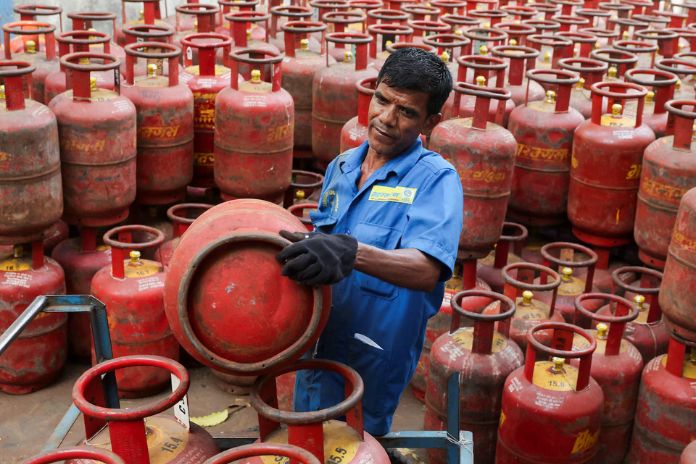
Two Indian-flagged liquefied petroleum gas (LPG) carriers have successfully navigated the tense waters of the Strait of Hormuz, marking a key diplomatic breakthrough for India amid escalating Iran-Israel hostilities. The vessels, Shivalik and Nanda Devi, owned by the Shipping Corporation of India (SCI), crossed the strategic chokepoint early on March 14, 2026. Carrying a combined 92,700 tonnes of LPG from Gulf nations, they are now headed to Mundra and Kandla ports in Gujarat, with arrivals expected by March 16 or 17.
This safe passage comes as a relief for India’s energy security. The Strait of Hormuz handles nearly 60% of the country’s LPG imports, which are crucial for households and industries. A domestic shortage has already forced cuts to industrial supplies to protect cooking gas for homes. These ships were among 24 vessels stranded on the western side of the strait since the conflict intensified.
Diplomatic Maneuvers Secure Passage
India’s success stems from swift high-level diplomacy. Prime Minister Narendra Modi spoke directly with Iranian President Masoud Pezeshkian about ensuring energy transit amid the blockade. External Affairs Minister S. Jaishankar also coordinated with his Iranian counterpart. Iran’s Ambassador to India publicly confirmed safe passage for Indian ships, citing strong bilateral ties.
A Shipping Ministry official confirmed the vessels passed without incident, crediting Iran’s rare exception to its partial Hormuz blockade. This move underscores India’s balancing act in the region, maintaining relations with both Iran and Israel while prioritizing economic needs.
Broader Regional and Economic Impact
The Israel-Iran war has disrupted global shipping lanes, stranding dozens of vessels and spiking energy prices. For India, the stakes are high: LPG is a staple for millions, powering stoves and small businesses. The safe transit averts further shortages, stabilizing supplies at key western ports.
India has also extended humanitarian aid, assisting 183 Iranian sailors and repatriating its own seafarers from the area. This incident highlights New Delhi’s growing naval and diplomatic clout in the Indian Ocean region.
Why This Matters for India
- Energy Lifeline: Secures 60% of LPG imports through the strait.
- Economic Buffer: Prevents deeper industrial curbs during shortages.
- Geopolitical Edge: Boosts India’s image as a reliable partner in volatile zones.
- Humanitarian Role: Aids stranded crews, reinforcing soft power.
As tensions simmer, this episode shows diplomacy can cut through conflict. India’s proactive stance ensures its vessels—and its people—stay fueled amid uncertainty.