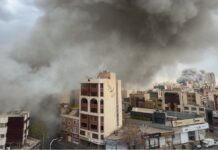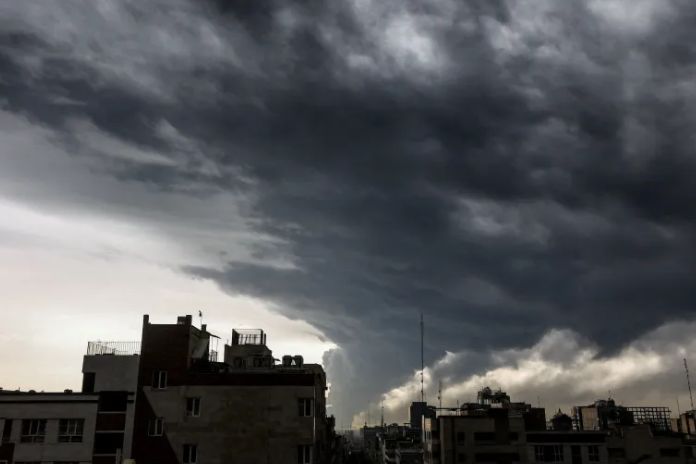
Tehran has been shrouded in thick black smoke after a wave of Israeli airstrikes set multiple oil depots on fire, while an Iranian drone attack damaged a key desalination plant in Bahrain. These twin blows have pushed the regional conflict deeper into civilian and economic life, with serious environmental and humanitarian risks.
Oil fires blanket Tehran
According to officials and local reports, Israel struck several oil storage facilities and an oil transfer center in and around Tehran, including sites in nearby Alborz province. The attacks triggered huge explosions and raging fires, sending columns of flame and dense smoke high into the sky. Residents described a grim scene where daylight was dimmed, saying it felt as if the sun had barely risen.
Iran’s emergency services warned that the burning oil facilities are releasing dangerous pollutants, including hydrocarbons and toxic gases, into the air. Health officials have raised alarms that any rainfall over the coming days could turn acidic, potentially causing skin irritation, burns, and serious respiratory problems, especially for children, the elderly, and those with existing lung conditions.
Early figures from Iranian authorities suggest that several tanker drivers and workers at the depots were killed in the blasts. Many buildings and homes across wider areas have also suffered damage from shockwaves and debris since the broader campaign of strikes began.
Bahrain desalination plant under attack
In a stark escalation, Bahrain says an Iranian drone has struck one of its desalination plants, damaging critical infrastructure that turns seawater into drinking water. This is one of the clearest examples so far of the conflict spilling directly into the Gulf’s essential civilian utilities.
Bahraini officials report that, despite the damage, overall water supply to the public has not yet been disrupted. However, the attack has triggered deep concern across the region. Gulf states rely heavily on desalination plants for their freshwater needs, and any sustained campaign against such facilities could quickly turn into a major water crisis.
Iran has framed the strike as retaliation, claiming that the United States previously attacked an Iranian desalination facility on Qeshm Island and accusing Washington of “setting a precedent” by targeting civilian-related infrastructure. This narrative raises fears that both sides may increasingly justify hitting key services that millions of people depend on.
Conflict shifts toward critical infrastructure
These incidents are unfolding alongside intensified Israeli strikes in Lebanon and growing Iranian-linked operations against infrastructure across the Gulf. Reports point to attacks on fuel storage near airports and other vital economic nodes, suggesting that the war is moving beyond traditional military targets.
The targeting of oil depots in Tehran and a desalination plant in Bahrain marks a dangerous shift. Oil facilities are central to Iran’s economy and energy supply, while desalination plants are the lifeline for water in many Gulf countries. Strikes on such sites not only cause immediate damage but can also trigger long-term environmental harm, supply disruptions, and public health emergencies.
If oil fires continue to burn or spread, air quality in and around Tehran could deteriorate sharply, increasing hospital admissions for breathing problems. At the same time, even limited damage to water plants in Bahrain or neighboring states could force governments to impose restrictions, bring in emergency supplies, or pay higher costs to keep taps running.
Rising risk for civilians
As both sides harden their positions, civilians in Iran, Lebanon, Israel, and the wider Gulf face growing uncertainty. The more the conflict focuses on infrastructure rather than purely military targets, the higher the risk that ordinary people will suffer from polluted air, unsafe water, power cuts, and disruptions to daily life.
The blackened sky over Tehran and the damaged desalination plant in Bahrain have become stark symbols of this new phase of the confrontation. What began as direct military exchanges is increasingly threatening the basic systems that keep societies functioning, raising urgent questions about how far the warring parties are willing to go—and how long the region’s people can endure the fallout.