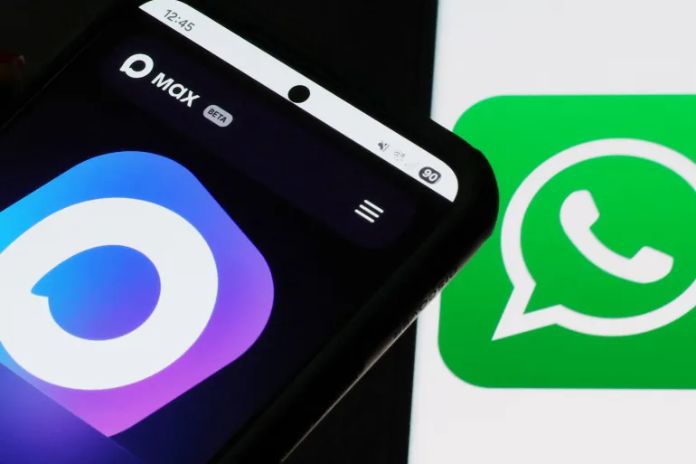
Russia has taken a bold step in digital sovereignty by completely banning WhatsApp as of February 12, 2026. The move, enforced by state regulator Roskomnadzor, ends access to the popular Meta-owned app nationwide. This follows years of tensions, with WhatsApp repeatedly fined for failing to delete banned content, fight fraud and terrorism, and set up a local office.
The crackdown intensified after partial restrictions, like blocking voice and video calls since August 2025. Russia’s courts labeled Meta an “extremist” organization in 2022, paving the way for bans on Instagram and Facebook too. WhatsApp’s non-compliance sealed its fate, pushing over 100 million Russian users toward alternatives. Many turned to VPNs for workarounds, but the full block changes the game.
Enter MAX, the Kremlin’s shiny new state-backed messenger. Spokesman Dmitry Peskov hailed it as an “accessible national platform” blending chat, payments, and government services into one super-app. Built with tech from VK, Russia’s top social network, MAX aims to rival WeChat-style convenience. Officials are urging a swift switch, framing it as a secure choice for everyday Russians.
Yet MAX isn’t without controversy. Unlike WhatsApp’s end-to-end encryption, it allows data sharing with authorities on demand, sparking privacy worries. Critics see it as a tool for tighter surveillance amid the Ukraine war and geopolitical strains. Still, with Telegram already popular, MAX could gain traction if it delivers on usability.
This ban underscores Russia’s drive for tech independence. Facing Western sanctions, Moscow prioritizes homegrown solutions over foreign apps. For users, it’s adapt or go underground with VPNs. As digital borders harden, will MAX win hearts—or fuel more resistance?