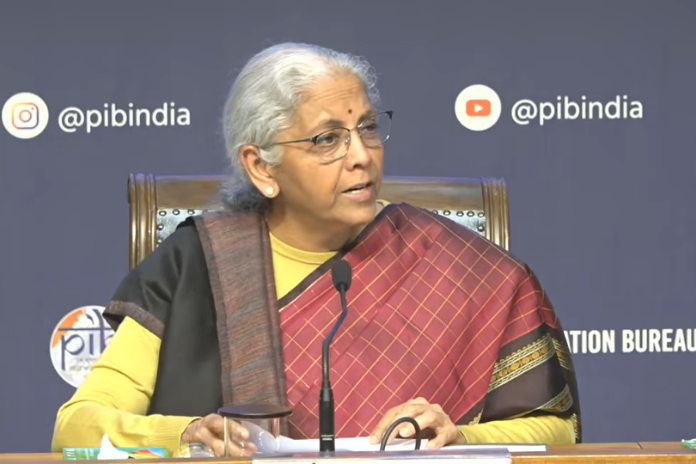
India’s Union Budget 2026-27, unveiled by Finance Minister Nirmala Sitharaman on February 1, 2026, prioritizes inclusive growth amid global headwinds. It spotlights 10 key areas—agriculture, manufacturing, jobs, and innovation—to propel Viksit Bharat, balancing fiscal discipline with bold investments.
Strong Fiscal Roadmap
Total expenditure hits ₹50.65 lakh crore for FY26, backed by ₹28.7 lakh crore in net tax receipts. The fiscal deficit is pegged at 4.4% of GDP, signaling prudence. Capital outlay surges to record levels for job creation and connectivity, with net market borrowings at ₹11.54 lakh crore and ₹10 lakh crore targeted from asset monetization.
Taxpayer-Friendly Reforms
Relief measures cheer the middle class. TCS on education remittances and loans up to ₹10 lakh is scrapped, with thresholds hiked from ₹7 lakh. TDS on rent now kicks in at ₹6 lakh yearly. ITR filing extends to 4 years, and tax exemptions cover two self-occupied homes. Seniors enjoy doubled deductions up to ₹1 lakh, easing personal finances.
Empowering MSMEs
Small businesses get a major fillip. MSME credit limits double to ₹10 crore, with a ₹10,000 crore fund-of-funds for startups. Micro units access ₹5 lakh credit cards, aiming for 10 lakh issuances. Enhanced classification norms improve funding access, cutting financial hurdles.
Infrastructure and Innovation Drive
Seven high-speed rail corridors will link metros and Tier-2/3 cities, spurring regional development. The National Manufacturing Mission eyes footwear, toys, and solar PV sectors. Purvodaya initiatives uplift eastern states, while EV and battery exemptions boost exports and energy security.
This budget blends relief, revival, and resolve, setting India on a high-growth path. (Word count: 348)