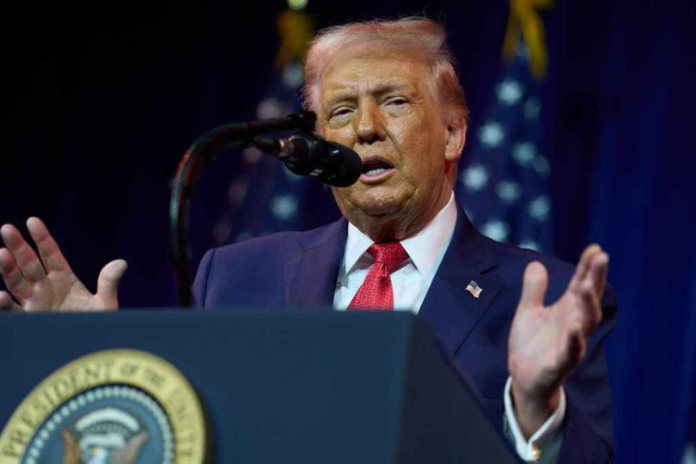
US President Donald Trump has endorsed the Sanctioning Russia Act of 2025, a bipartisan bill threatening 500% tariffs on exports from India and similar nations buying Russian oil. This intensifies US efforts to starve Russia’s Ukraine war funding through energy sales. India, hooked on cheap Russian crude for 35-40% of its imports, risks massive hits to its $50-80 billion annual US exports.
The bill ramps up from 2025’s 50% tariffs on Indian goods tied to the same oil purchases. Senator Lindsey Graham confirmed Trump’s backing on January 8, 2026, putting India, China, and Brazil in the crosshairs. It empowers extreme duties on Russian petroleum products, broadens secondary sanctions, and strengthens executive tools against Moscow.
Russia’s discounted oil has been a boon for India since 2022, peaking volumes before settling at 1.2 million barrels per day by late 2025. This covers over a third of India’s needs in a country importing 85% of its energy. Switching suppliers could inflate costs by $9-11 billion yearly, stoking domestic inflation.
India’s US exports topped $59 billion from April to November 2025, led by pharmaceuticals ($8-10B), electronics, textiles, and gems. A 500% tariff would demolish competitiveness, drive up US prices, and erode investor confidence. Prior duties already strained sectors, despite some exemptions boosting smartphones.
New Delhi plans diplomatic pushes for exemptions, highlighting energy security woes. Strategies include diversifying to Middle East or African sources, building reserves, and fast-tracking renewables to hit 500 GW non-fossil targets by 2030. Trade deals with the EU and renewed US negotiations may soften the fallout.
This clash tests US-India partnership amid mutual goals. Senate action looms—pragmatism or oil-fueled friction will decide trade’s future.