Home India Modi and Goyal Set for Oman Trip to Seal Landmark India-Oman Free...
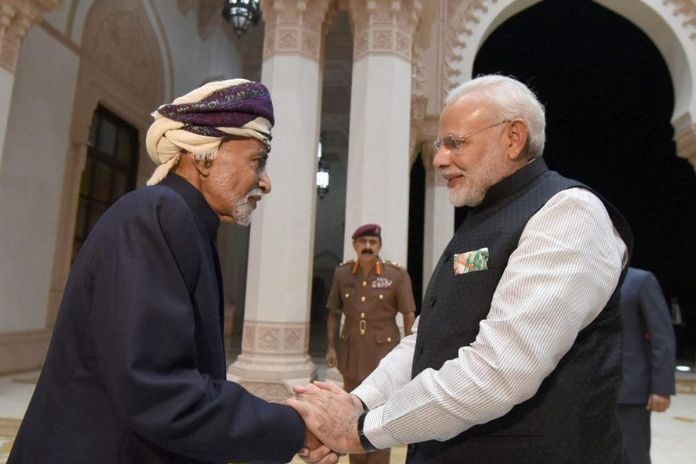
Prime Minister Narendra Modi and Commerce Minister Piyush Goyal are slated to travel to Oman around December 17-18, 2025, to finalize and sign the much-anticipated India-Oman Free Trade Agreement (FTA). This high-level visit marks a pivotal moment in bilateral relations, coinciding with the 70th anniversary of diplomatic ties between the two nations. The agreement, after years of negotiations, promises to supercharge trade projected to hit $10.6 billion in FY2025, positioning Oman as India’s third-largest trading partner in the Gulf region.
Final Push in Negotiations
Negotiations for the India-Oman FTA, often referred to as a Comprehensive Economic Partnership Agreement (CEPA), reached their concluding stages earlier this year. Piyush Goyal recently confirmed on December 9, 2025, that talks with Oman—alongside New Zealand and others—are in the “final phase.” sticking points like Oman’s rules on local hiring and safeguards against third-country goods rerouting (such as from China) through robust Rules of Origin have been ironed out. Cabinet approval in India is viewed as a mere formality, paving the way for the signing ceremony.
This FTA builds on strong momentum from prior engagements, including Goyal’s January 2025 trip to Muscat. It fits into India’s aggressive trade diplomacy, aiming to diversify partnerships amid global shifts. Enhanced market access for Indian exports like textiles, pharmaceuticals, and agri-products, coupled with Oman’s energy and petrochemical inflows, will drive mutual growth.
Strategic and Economic Gains
The deal underscores deepening India-Oman strategic cooperation in trade, energy security, and connectivity. Oman, a key supplier of crude oil and LNG to India, will benefit from reduced tariffs on its non-oil exports, fostering balanced commerce. For Indian businesses, the FTA opens doors to easier investments and job creation in Oman’s diversifying economy.
Experts hail this as a win for India’s “Act East” and Gulf outreach policies. Bilateral trade has surged over recent years, and the FTA could double volumes by simplifying customs and resolving non-tariff barriers. The visit also signals commitment to long-term ties, potentially including defense and tech collaborations.
What’s Next?
Post-signing, ratification processes will follow swiftly, with implementation eyed for early 2026. This pact strengthens India’s position in West Asia, complementing deals with UAE and others. As Modi and Goyal land in Muscat, it heralds a new chapter of prosperity for two trusted partners.