Home India IndiGo Reduces 400-500 Daily Flights to Achieve Full Schedule Stabilisation
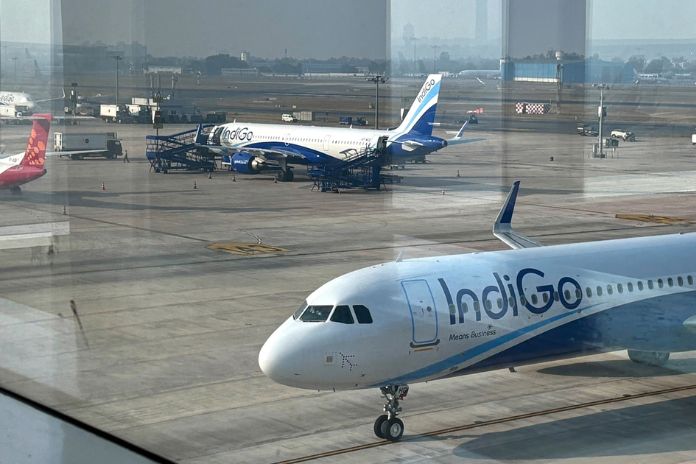
India’s dominant airline, IndiGo, has announced a substantial cutback in its daily operations, reducing 400-500 flights to prioritize full schedule stabilisation. Previously operating around 2,300 flights each day, the carrier will now run 1,800 to 1,900 flights, marking a strategic shift toward reliability over volume.
This decision comes at a pivotal time for IndiGo, which holds the largest market share in India’s competitive aviation sector. By streamlining its network, the airline addresses mounting pressures that have impacted its performance.
Core Reasons Driving the Flight Reductions
Operational stability tops the list of motivations. IndiGo has grappled with aircraft availability constraints and crew scheduling complexities, leading to inconsistent on-time performance. Reducing flight numbers allows the airline to allocate resources more effectively, minimizing delays and cancellations.
Beyond immediate fixes, this move supports long-term goals. High-frequency schedules, while attractive for market dominance, strain infrastructure during peak disruptions like maintenance backlogs or supply chain delays. IndiGo’s leadership views this as a necessary recalibration to rebuild passenger confidence.
Industry observers note similar patterns globally, where carriers trim capacity during recovery phases to ensure sustainable growth.
Direct Impacts on Passengers and Routes
Passengers should anticipate changes, especially on thinner or high-traffic routes. IndiGo plans to protect connectivity on major metros like Delhi, Mumbai, Bengaluru, and Hyderabad, redirecting capacity to these high-demand corridors.
Fewer flights mean potential schedule shifts, so travelers are advised to monitor bookings closely through official channels. The airline emphasizes minimal disruption, with no widespread route cancellations reported yet.
For frequent flyers, this could translate to more predictable travel times, though options on secondary cities might dwindle temporarily.
Strategic Prioritization in Operations
IndiGo’s approach focuses on core strengths. By concentrating on profitable, high-volume paths, the airline optimizes fleet utilization and crew rostering. This “less is more” philosophy echoes tactics used post-pandemic by peers worldwide.
The stabilisation effort also aligns with regulatory pushes for better punctuality in India, where aviation authorities monitor on-time metrics closely. IndiGo’s proactive stance positions it ahead of competitors facing similar headwinds.
Indian Aviation Context and Challenges
India’s skies buzz with growth, yet carriers battle rising costs, fuel volatility, and infrastructure limits. IndiGo, despite its scale, isn’t immune—recent supply issues with Pratt & Whitney engines have grounded planes, exacerbating the need for cuts.
As the market leader, IndiGo’s moves ripple across the sector, influencing fares and capacity. Rivals like Air India and Akasa Air watch closely, potentially adjusting their own networks.
Future Prospects and Passenger Advice
Post-stabilisation, IndiGo eyes network expansion once efficiencies lock in. This phase could pave the way for resumed growth, leveraging India’s booming air travel demand driven by economic recovery and tourism.
Travelers benefit by planning ahead: Use IndiGo’s app for real-time updates, consider flexible tickets, and explore alternatives on affected routes. The endgame promises a more dependable IndiGo, enhancing overall flying experience in India.
This calculated reduction underscores IndiGo’s adaptability, ensuring it remains the go-to choice for millions amid evolving challenges.