Israel has escalated warnings of renewed military action against Hamas following a series of ceasefire breaches in Gaza. The country’s defense forces carried out several air and artillery strikes targeting suspected Hamas positions in southern Gaza, particularly near Rafah. Prime Minister Benjamin Netanyahu announced that Israel would respond firmly to any aggression, accusing Hamas of violating the ceasefire through sniper attacks and anti-tank operations.
The new wave of violence marks one of the most serious escalations since the U.S.-mediated truce took effect earlier this month. Israeli officials claim Hamas initiated attacks against border troops, while Palestinian authorities report multiple civilian casualties from continuing Israeli strikes. According to Gaza’s Health Ministry, dozens have been killed and over a hundred injured in the latest round of attacks.
Adding to the crisis, the Rafah border crossing — Gaza’s main gateway to Egypt — remains sealed. Israel said the closure would continue “until further notice,” alleging that Hamas had failed to comply with ceasefire terms involving hostage returns. This move has blocked crucial humanitarian supplies, leaving thousands stranded and intensifying shortages of medicines, fuel, and food across the enclave.
Hamas has denied responsibility for the new clashes, insisting it remains committed to the truce. The group accuses Israel of provoking violence to justify extending its military campaign. Meanwhile, international mediators have urged restraint, warning that the fragile ceasefire could collapse entirely if hostilities persist.
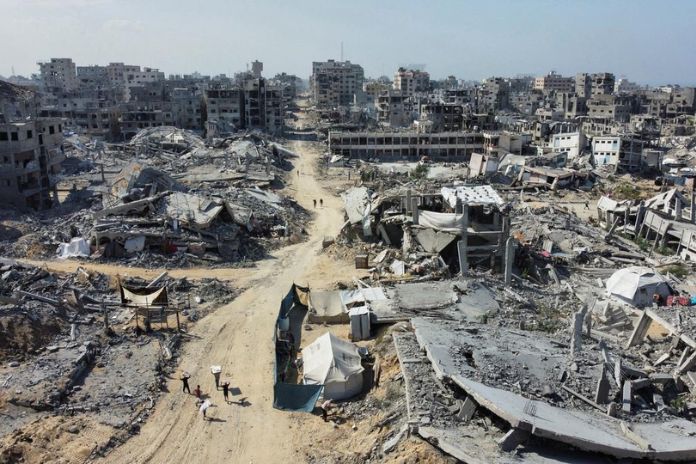
With the Rafah crossing shut and tensions mounting, humanitarian aid groups fear Gaza could soon face another full-scale crisis. The international community continues to call for de-escalation, but the current situation signals a worrying return to violence in a region still struggling to recover from last year’s devastating conflict.