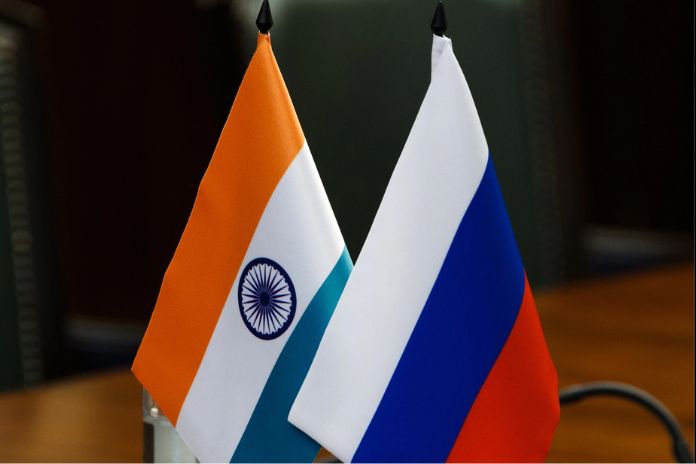
India has officially begun settling a portion of its Russian oil purchases using Chinese yuan, marking a significant development in international energy commerce. This payment method change represents a strategic move away from traditional dollar-based transactions in the global oil market.
Confirmation from Russian Officials
Russia’s Deputy Prime Minister Alexander Novak confirmed on October 15, 2025, that India has started making small-scale payments in yuan for oil imports. However, most transactions continue to be conducted in Russian rubles, with yuan accounting for only a small percentage of total payments.
Why the Currency Switch Happened
The shift to yuan payments addresses several practical challenges. Russian exporters previously faced difficulties with “trapped rupees” in Indian banks that were hard to convert or repatriate. The Chinese currency offers better liquidity and convertibility across Asian markets, making it more attractive for international trade settlements.
Western sanctions following the Ukraine conflict forced Russia to seek alternative payment methods beyond the US dollar. Yuan provides a direct conversion path to rubles, eliminating costly multi-step currency exchanges through UAE dirhams or other intermediary currencies.
Scale and Impact of the Change
India remains the second-largest buyer of Russian crude oil globally after China, spending approximately 2.5 billion euros on Russian oil in September 2025. Major Indian refiners, including state-owned Indian Oil Corporation, have already completed several yuan-denominated transactions.
Broader Implications for Global Trade
This development supports the BRICS nations’ de-dollarisation efforts – reducing dependence on US dollar-dominated financial systems. The move also reflects improving India-China relationsand demonstrates how geopolitical pressures can reshape international commerce patterns.
For India, this represents a pragmatic solution to maintain energy security while navigating complex international sanctions. The yuan payment system helps ensure continued access to discounted Russian crude oil, which has become crucial for India’s energy needs since 2022.
This currency shift in oil payments signals a gradual transformation in global energy trade, moving toward more diverse settlement mechanisms beyond traditional Western financial systems.