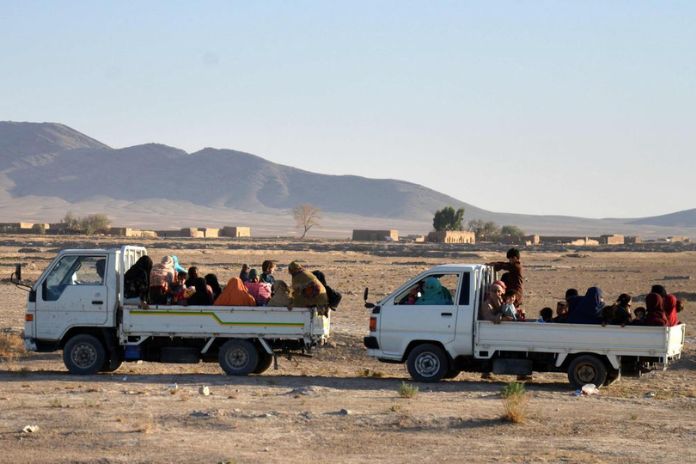
Deadly clashes between Pakistan and Afghanistan have shaken the region, prompting both nations to announce a short-term ceasefire after one of the bloodiest border escalations in years. The violence erupted earlier in October after Pakistani airstrikes targeted the Pakistani Taliban (TTP) inside Afghanistan, drawing a fierce response from the Afghan Taliban.
Reports indicate at least 15 Afghan civilians and several Pakistani soldiers were killed in the crossfire that spanned border areas including Spin Boldak, Chaman, and Kurram. Pakistan claimed its air raids were aimed at dismantling TTP hideouts, while Afghan officials accused Islamabad of violating sovereignty and killing innocent civilians. In retaliation, Taliban fighters attacked multiple Pakistani border posts, claiming to have seized several outposts and inflicted heavy casualties on Pakistani troops.
Pakistan’s military rejected those claims, stating that over 200 Taliban fighters were neutralized in retaliatory strikes. Major border points such as Torkham and Chaman were closed, causing disruptions to trade and leaving hundreds stranded. Pakistani Prime Minister Shehbaz Sharif called the Taliban’s attacks “unprovoked aggression” and vowed a strong response if the Afghan side failed to act against militant groups sheltering in its territory.
After days of deadly exchanges, Afghanistan and Pakistan agreed on a 48-hour ceasefire beginning October 15, following mediation efforts by Qatar and Saudi Arabia. Both sides have expressed cautious optimism, though analysts warn that the truce is fragile amid long-standing mutual distrust.
The latest confrontation marks one of the worst crises since the Taliban took power in 2021. It underscores the growing tension over the Taliban’s alleged support for the TTP, a primary security concern for Pakistan. As diplomatic efforts intensify, the world watches closely whether this ceasefire holds — or if the fragile calm will once again give way to renewed violence along the volatile border.